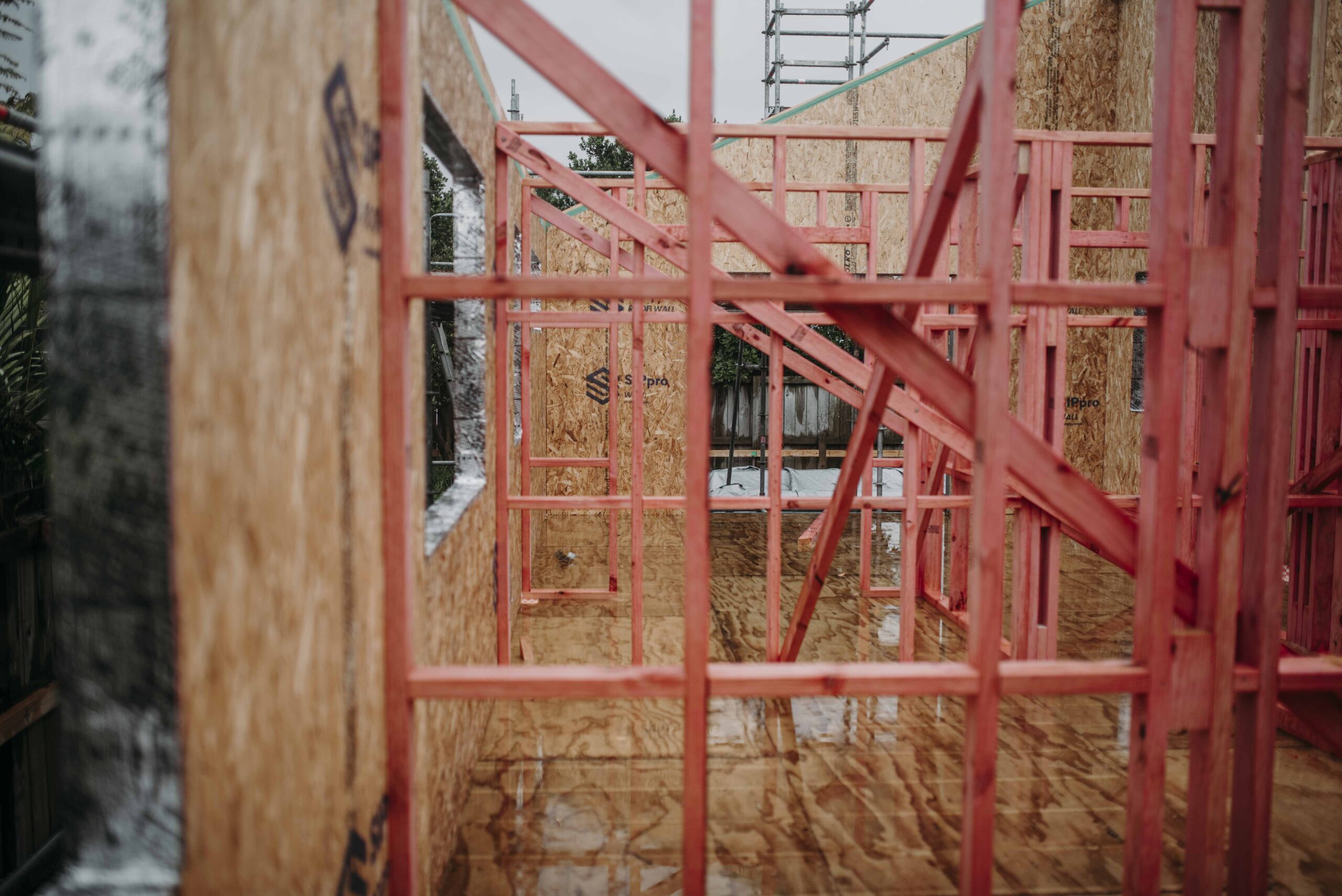
Why Weather Still Dictates So Much of Construction
Weather will always influence construction, but better planning, smarter sequencing and more integrated building systems can significantly reduce unnecessary delays and improve project certainty.


Weather will always influence construction, but better planning, smarter sequencing and more integrated building systems can significantly reduce unnecessary delays and improve project certainty.
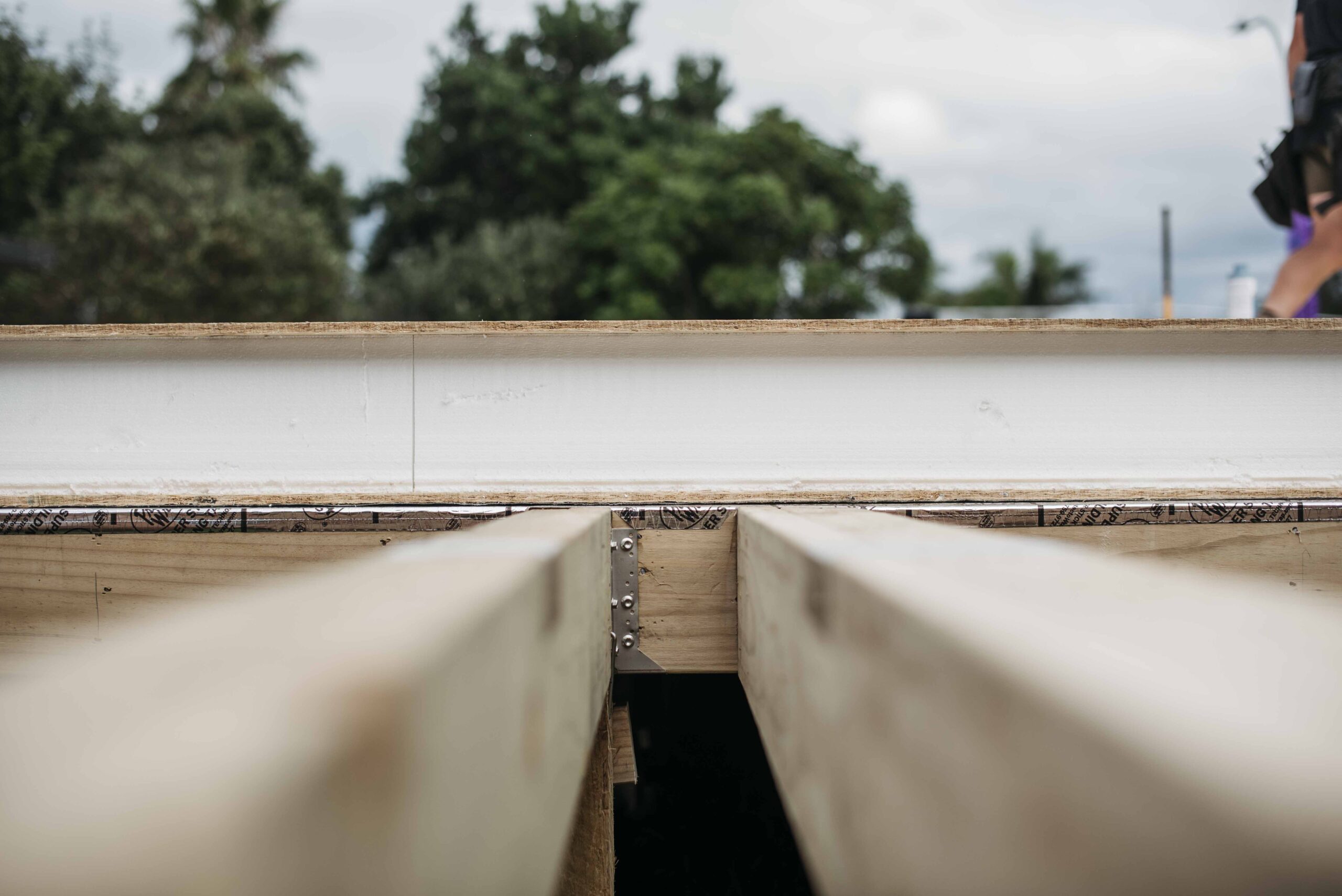
True building performance comes from viewing a home as a complete system, where every design and construction decision contributes to the final result.
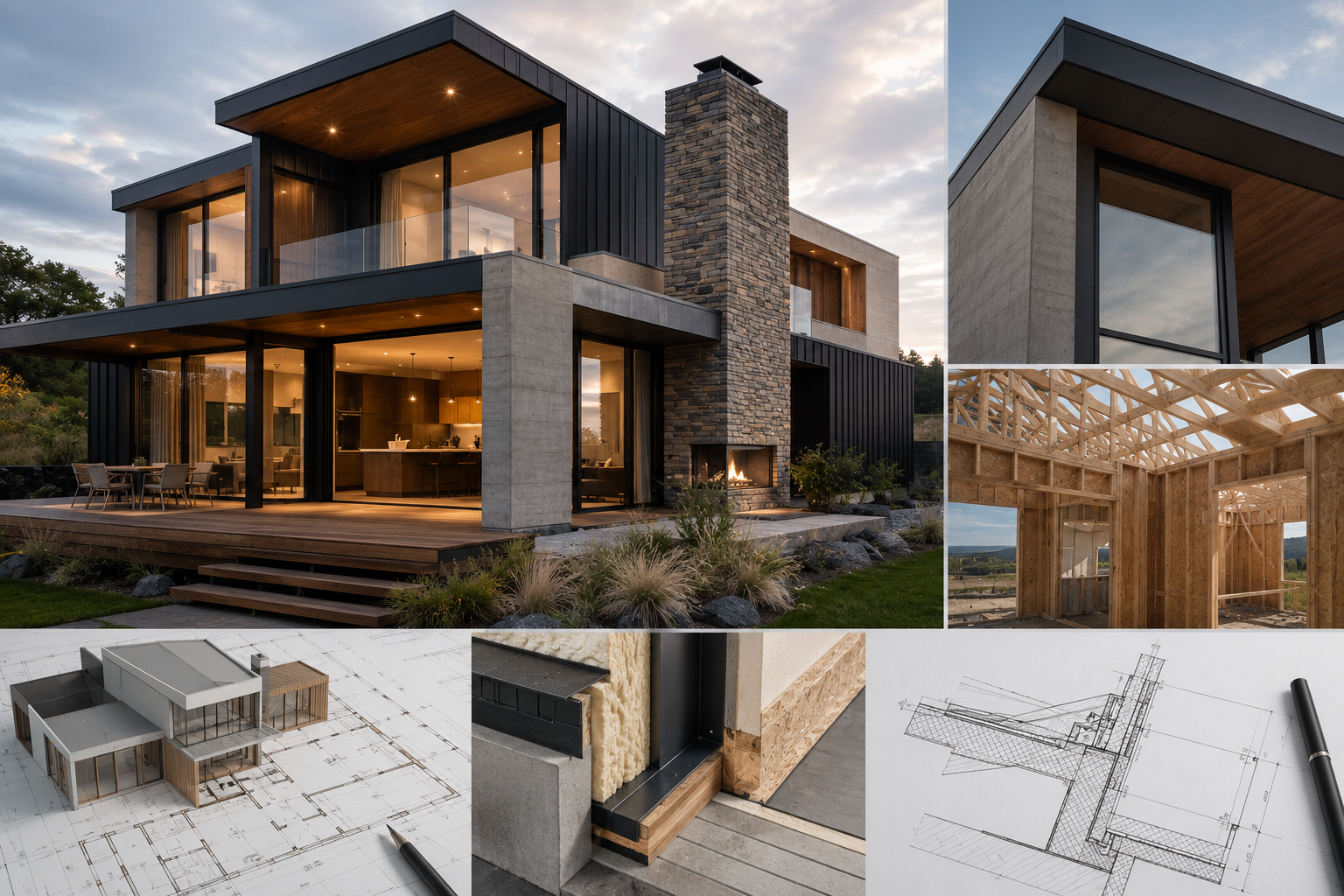
As NZ construction shifts away from rapid growth and toward risk reduction, certainty, repeatability and predictable outcomes are becoming just as valuable as speed.
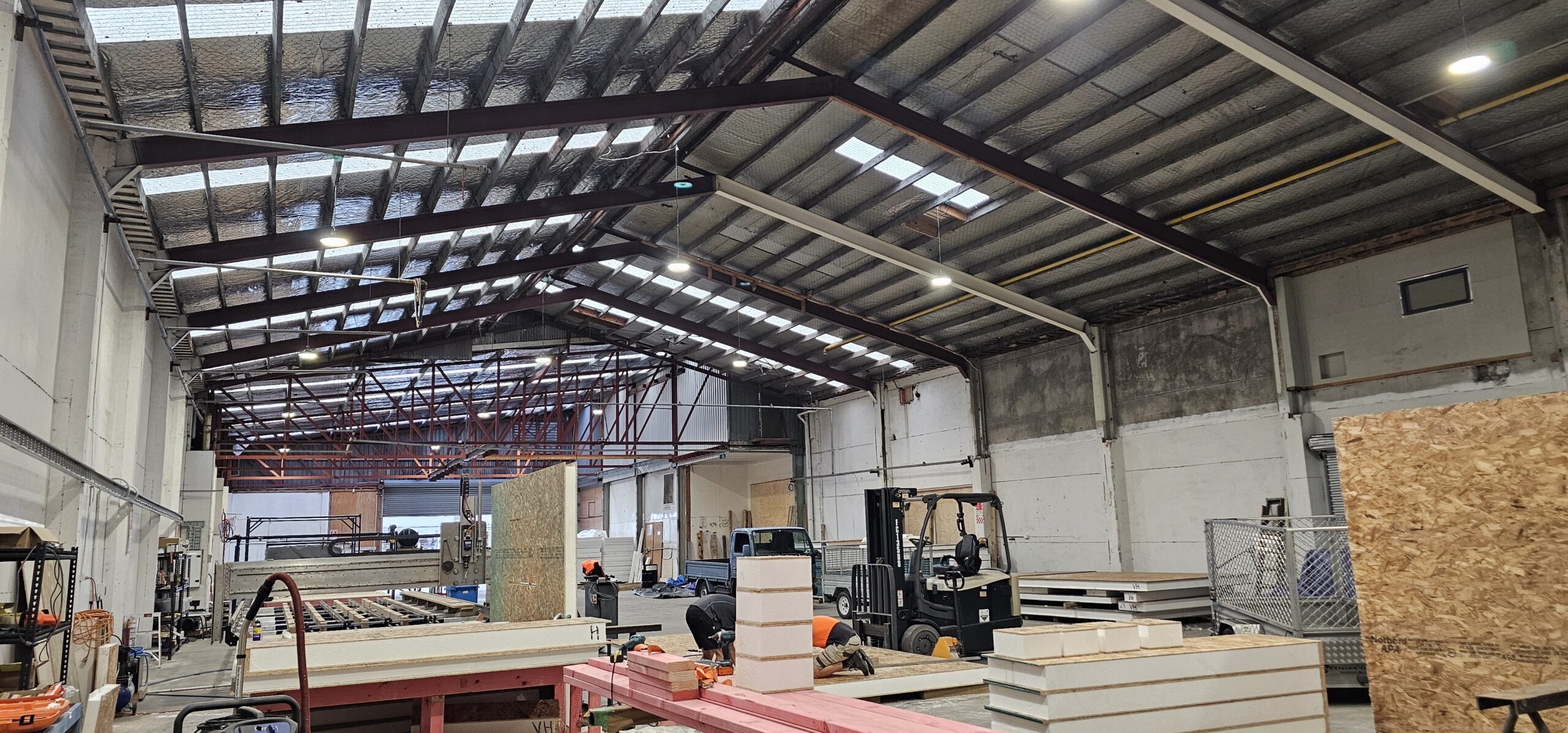
As NZ construction shifts away from rapid growth and toward risk reduction, certainty, repeatability and predictable outcomes are becoming just as valuable as speed.
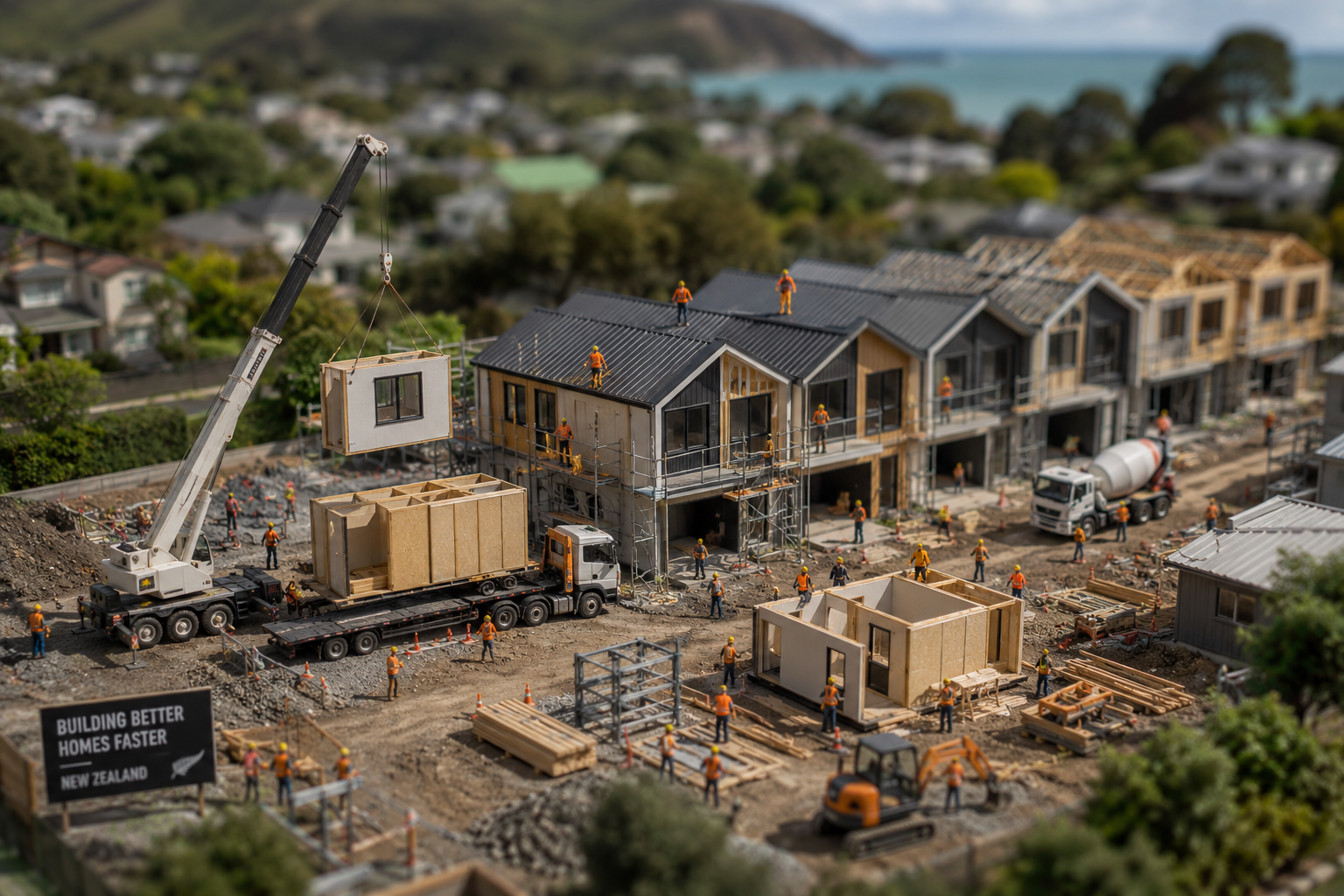
As NZ construction shifts away from rapid growth and toward risk reduction, certainty, repeatability and predictable outcomes are becoming just as valuable as speed.
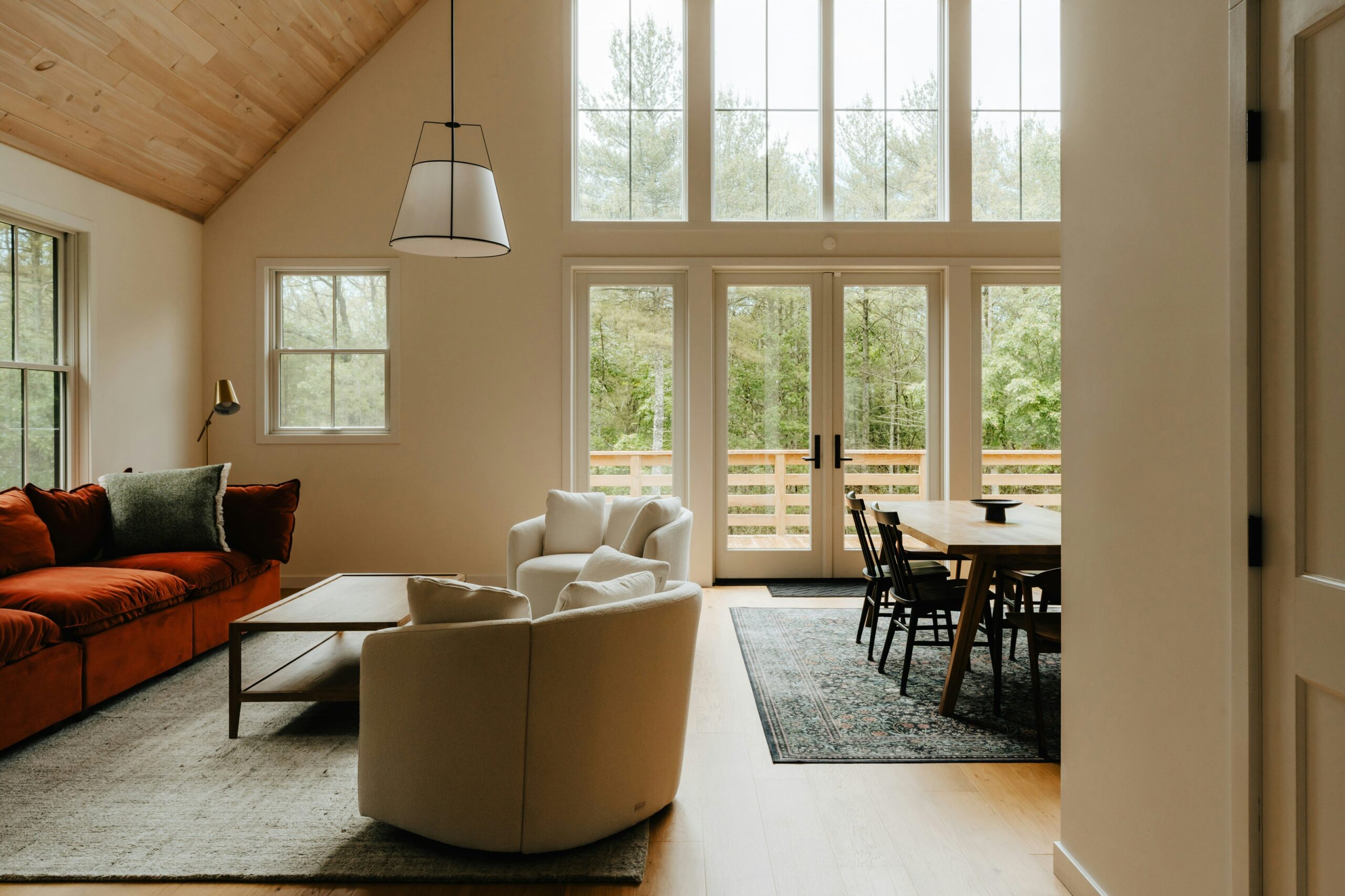
As expectations around comfort continue rising, glazing decisions are becoming one of the most important and nuanced parts of high-performance home design.
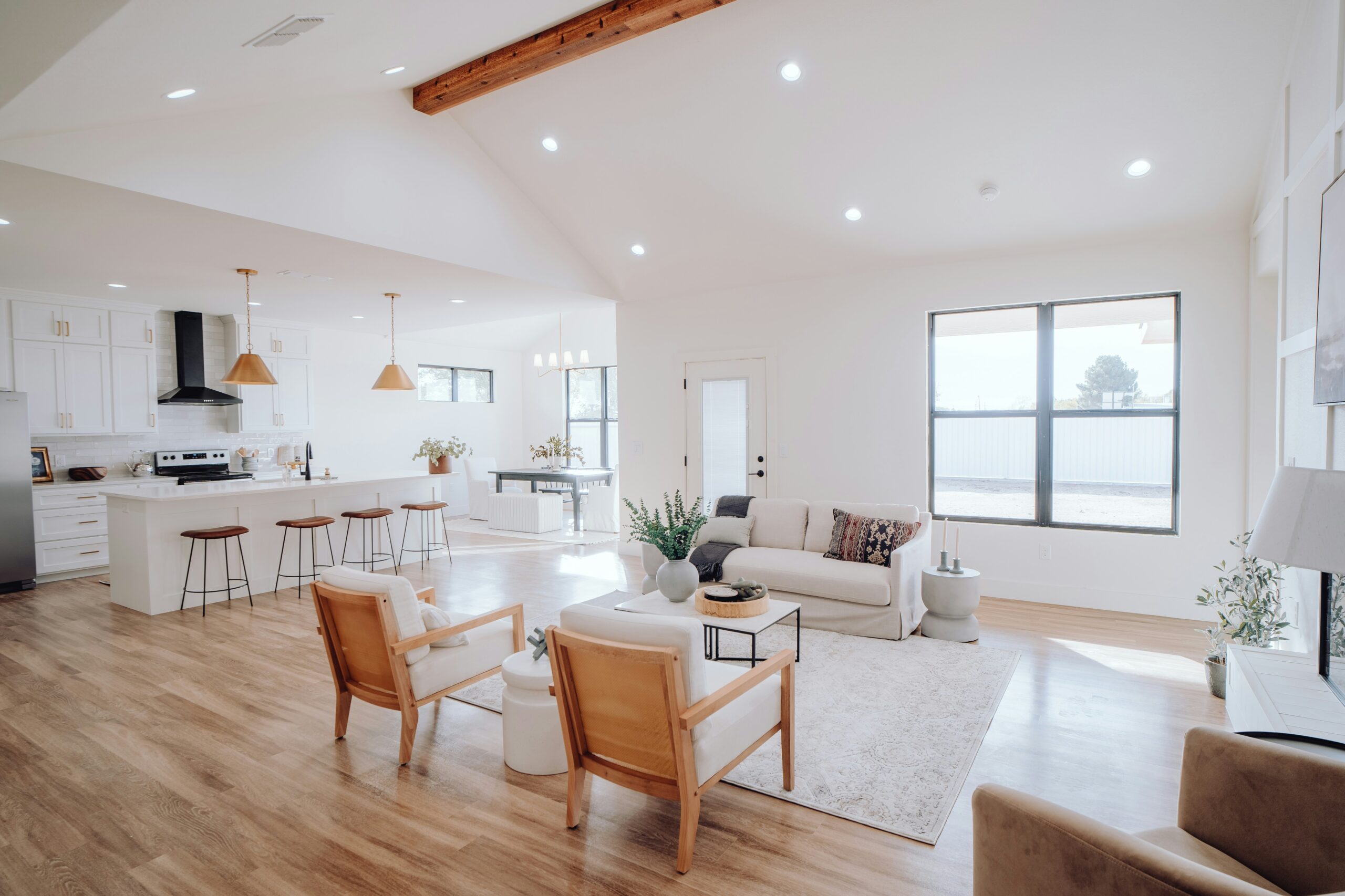
Many homeowners are surprised to learn that building code minimums are designed to meet basic requirements, not necessarily the level of comfort, energy efficiency, and performance they expect from a modern home.

Good building systems don’t always gain traction quickly. In New Zealand construction, adoption depends just as much on trust, familiarity, compliance pathways and risk management as it does on performance.
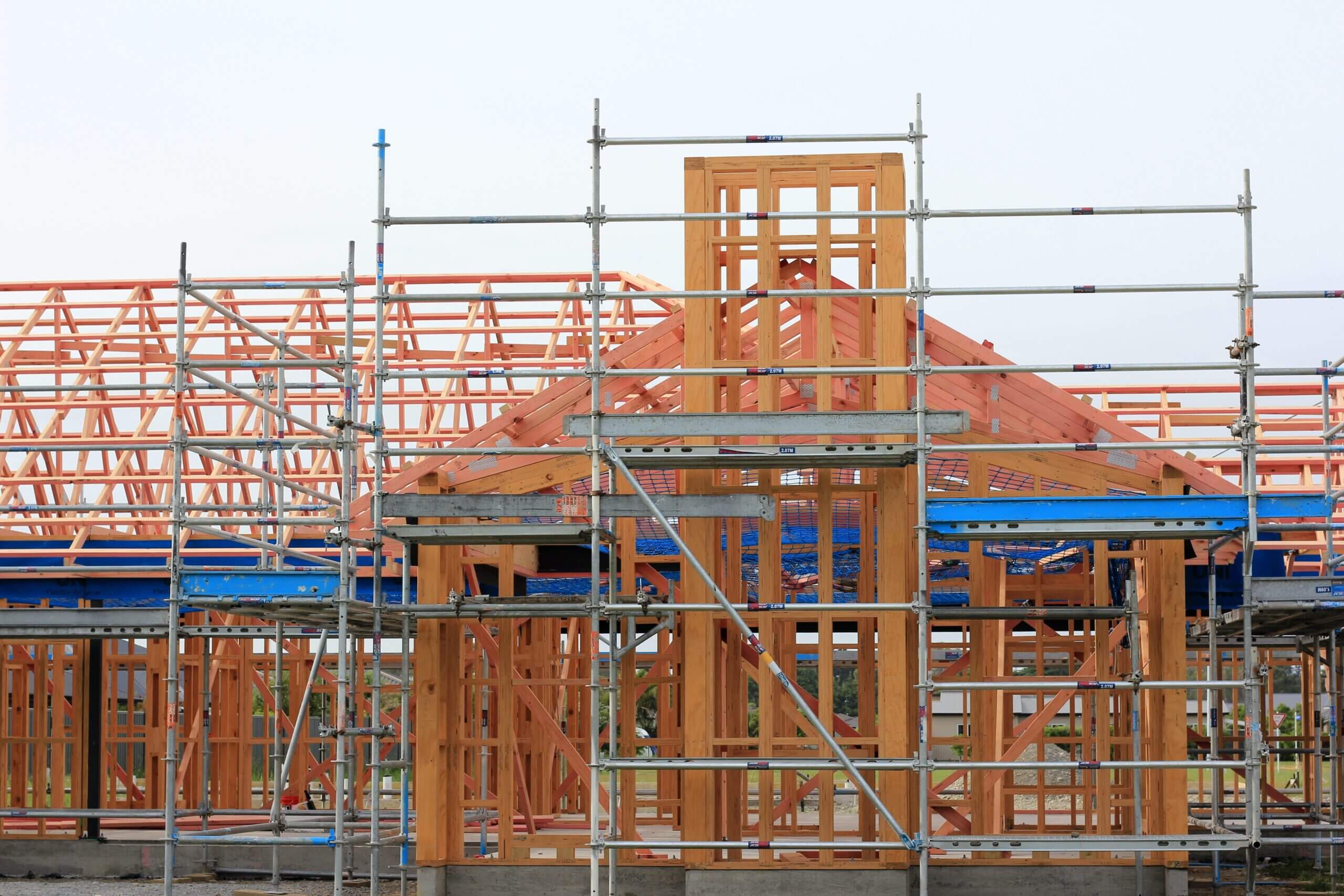
Traditional framing is now being asked to deliver levels of insulation, airtightness, and energy performance it was never originally designed for.
A building can be well designed, fully consented and entirely compliant on paper, yet still underperform once built.