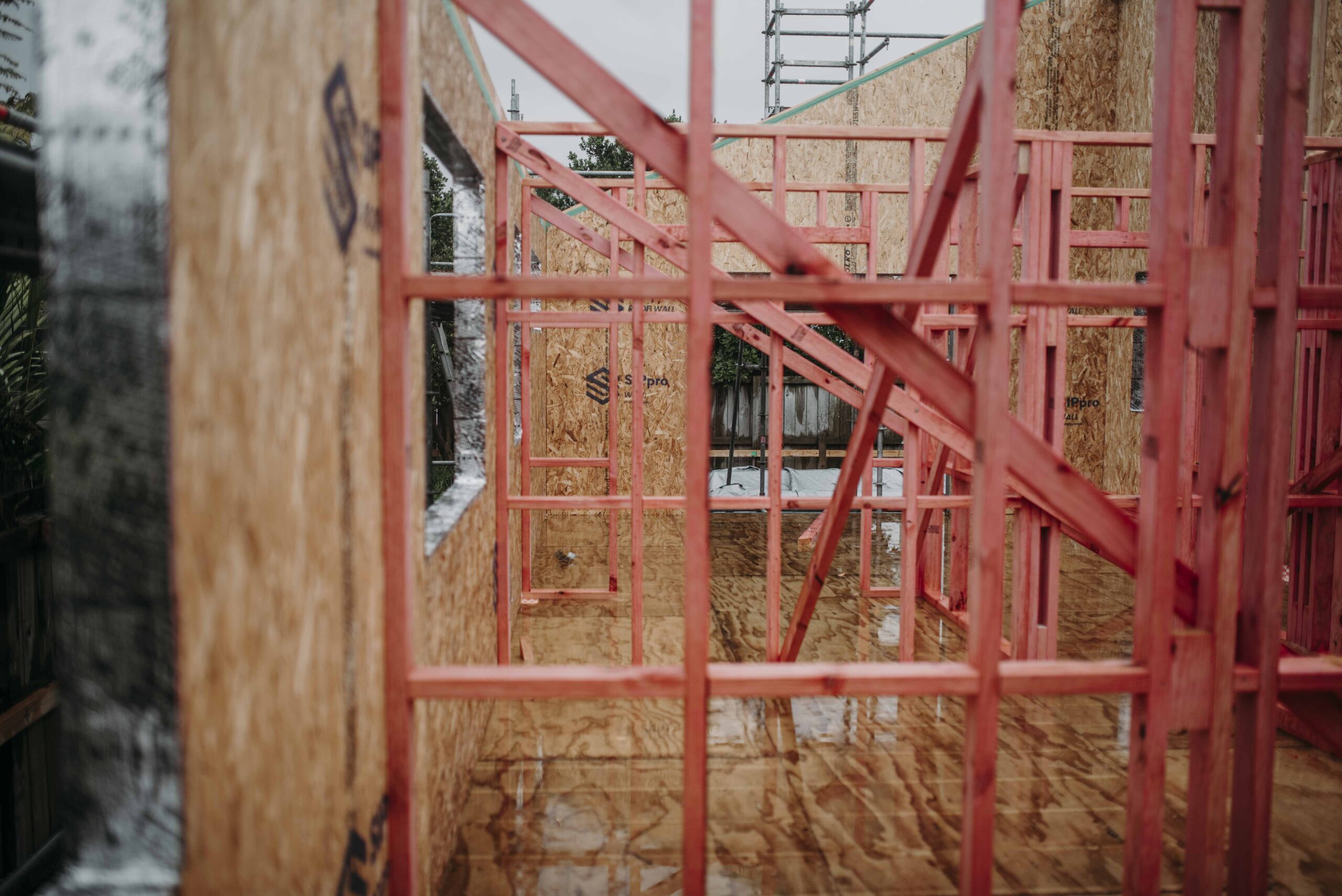
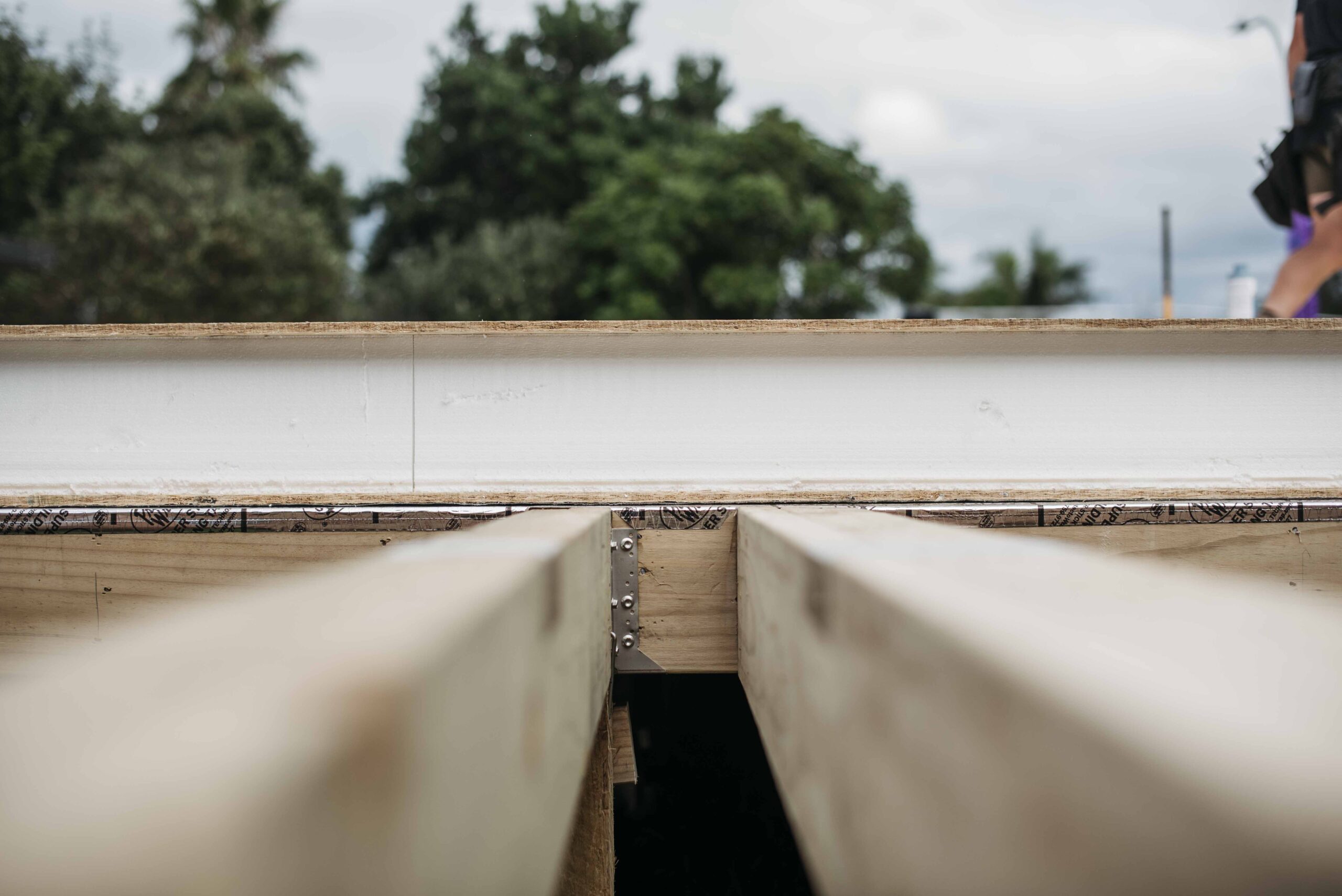
Construction has always relied on skilled tradespeople.
Long before CNC machines, digital modelling and automated manufacturing, experienced builders were producing homes that have lasted generations. Good craftsmanship remains one of the most valuable parts of the building industry, and there is no technology that can replace the knowledge and judgement developed through years on site.
At the same time, the expectations we place on buildings have changed dramatically.
Today’s homes are expected to be warmer, more energy efficient, more airtight and more comfortable than ever before. They are also expected to be delivered within tighter budgets, shorter programmes and increasingly complex regulatory environments.
Meeting all of those expectations consistently is becoming more challenging, and one of the industry’s responses has been a growing focus on precision.
Not because craftsmanship is becoming less important, but because precision is becoming more valuable.
Construction is becoming less forgiving
For much of New Zealand’s building history, homes were relatively forgiving.
A small gap here or there, slightly uneven framing or minor inconsistencies during construction often had little noticeable effect on how the house performed. Homes were naturally ventilated through gaps in the building envelope, heating expectations were different, and energy efficiency simply wasn’t the priority it is today.
Modern buildings are different.
As insulation levels increase, airtightness improves and thermal performance expectations rise, small inconsistencies can have a much greater influence on the finished result. A poorly sealed junction or an incorrectly installed component that may have gone unnoticed thirty years ago can now have a measurable impact on comfort, condensation risk or energy use.
The better we expect buildings to perform, the less room there is for unnecessary variation.
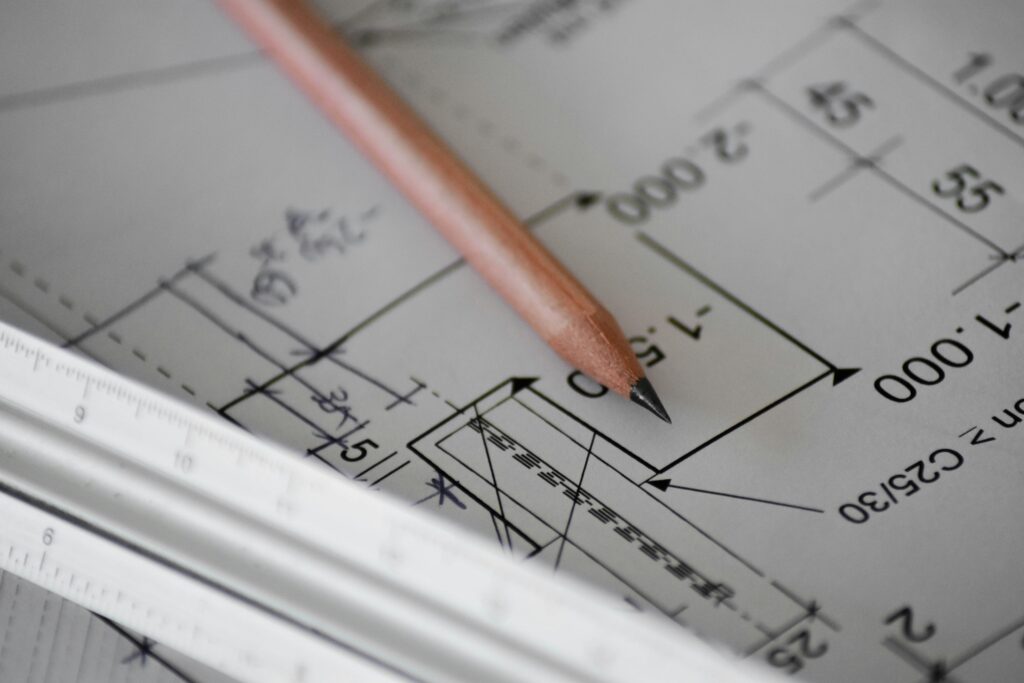
Consistency is one of manufacturing's greatest strengths
Manufacturing has always been built around repeatability.
Whether it’s producing aircraft components, kitchen cabinetry or structural building products, the objective is generally the same: produce the same result over and over again with as little variation as possible.
Construction is beginning to adopt more of that thinking.
Rather than relying on every measurement being taken individually on site, more components are now being designed digitally, manufactured using CNC equipment and assembled in controlled environments before arriving at the project.
The goal isn’t necessarily to build faster.
It’s to produce greater consistency.
When every wall, floor or roof panel is manufactured directly from the same digital model, dimensional accuracy becomes far more predictable than if every component is measured, marked and cut individually during construction.
Site conditions are rarely perfect
Building sites are dynamic environments.
The weather changes.
Ground conditions vary.
Materials arrive at different times.
Multiple trades are often working in the same space, each with their own programme and priorities.
Experienced builders manage these variables remarkably well, but they are still variables.
Every additional cut, adjustment or modification completed on site introduces another opportunity for small differences to creep into the finished building.
None of these differences are necessarily mistakes. In many cases, they are simply the natural result of constructing a complex building outdoors under constantly changing conditions.
Manufacturing shifts some of that work into an environment where many of those variables can be better controlled.
Precision supports quality control
One of the less obvious advantages of factory manufacturing is the opportunity for more consistent quality control.
In a manufacturing environment, processes can be standardised, equipment calibrated and inspections repeated using the same methods every day.
That doesn’t eliminate human involvement. In fact, skilled people remain central to the process. However, it does provide an environment where quality can often be monitored more consistently than is possible across dozens of different building sites.
As building systems become more sophisticated, that level of repeatability becomes increasingly valuable.
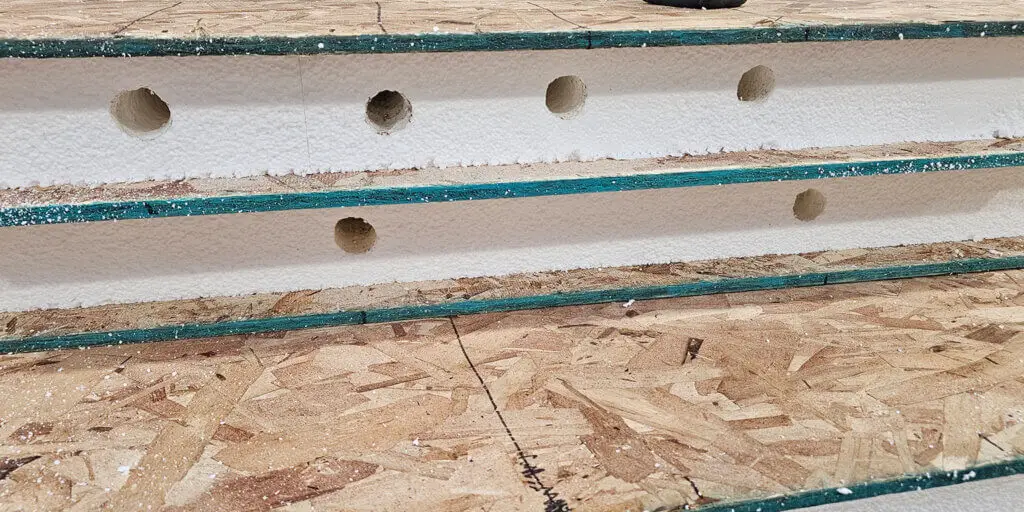
Digital design has changed what is possible
Another major shift has been the widespread adoption of digital design tools.
Architects, engineers and manufacturers now work from highly detailed three-dimensional models that can contain enormous amounts of information before construction even begins.
Dimensions, structural elements, service penetrations and connection details can all be coordinated digitally long before materials arrive on site.
This doesn’t remove the need for skilled builders. Instead, it allows more potential issues to be identified earlier, reducing the number of decisions that need to be made under pressure during construction.
In many ways, modern construction is becoming more about assembling well-planned systems than solving problems after they appear.
Precision doesn't replace craftsmanship
It’s important to remember that precision and craftsmanship are not competing ideas.
In fact, they often complement one another.
A precisely manufactured component still relies on experienced tradespeople to install it correctly, integrate it with the rest of the building and resolve the countless practical challenges that arise on every project.
Good builders remain essential.
The difference is that they’re increasingly able to spend their expertise delivering quality rather than repeatedly measuring, cutting and correcting work that could potentially have been completed earlier in the process.
Many builders would argue that’s a better use of their skills.
The industry is moving towards greater predictability
Construction has always involved uncertainty, and it always will.
Every site is different.
Every client has different priorities.
Every project presents unique challenges.
However, there is a noticeable shift occurring across the industry. Increasingly, designers, manufacturers and builders are looking for ways to reduce unnecessary variability wherever possible.
That might involve better digital coordination, greater use of prefabricated components, improved manufacturing processes or more integrated building systems.
The common theme isn’t speed.
It’s predictability.
Projects that are more predictable are often easier to programme, easier to cost and easier to deliver consistently.
The takeaway
For generations, skilled tradespeople have delivered outstanding buildings using traditional construction methods, and that expertise remains fundamental to the industry.
What’s changing isn’t the importance of good builders.
It’s the growing recognition that precision achieved earlier in the process can support better outcomes later on.
As expectations around thermal performance, airtightness, quality and consistency continue to rise, reducing unnecessary variation is becoming increasingly valuable.
Factory manufacturing is one way the industry is responding to that challenge. Not because it replaces craftsmanship, but because it gives skilled people a more consistent starting point from which to deliver exceptional buildings.
Ultimately, the future of construction is unlikely to be defined by factories or building sites alone. It will more likely be shaped by finding the right balance between digital precision, controlled manufacturing and the experience of the people who bring every project to life.