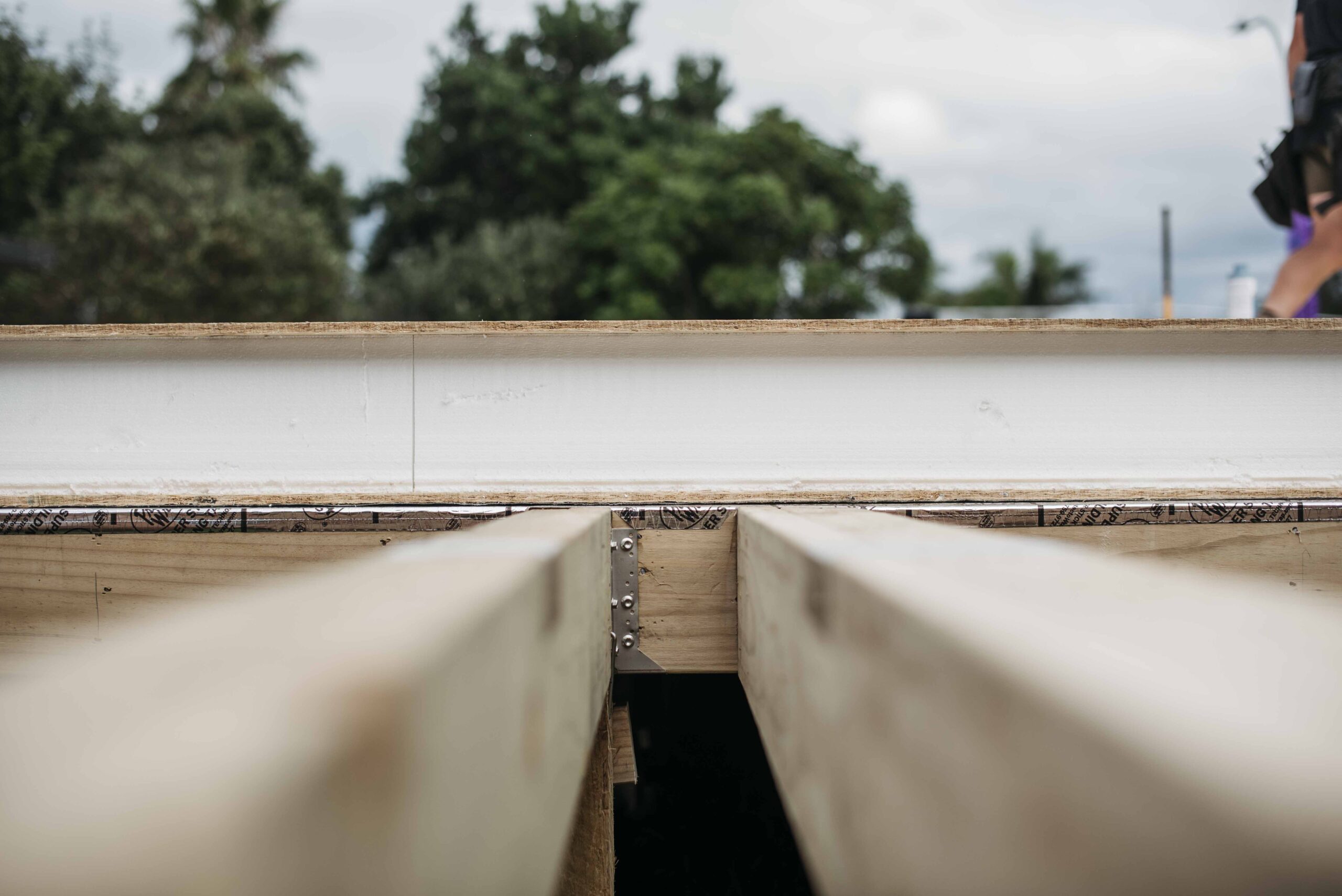
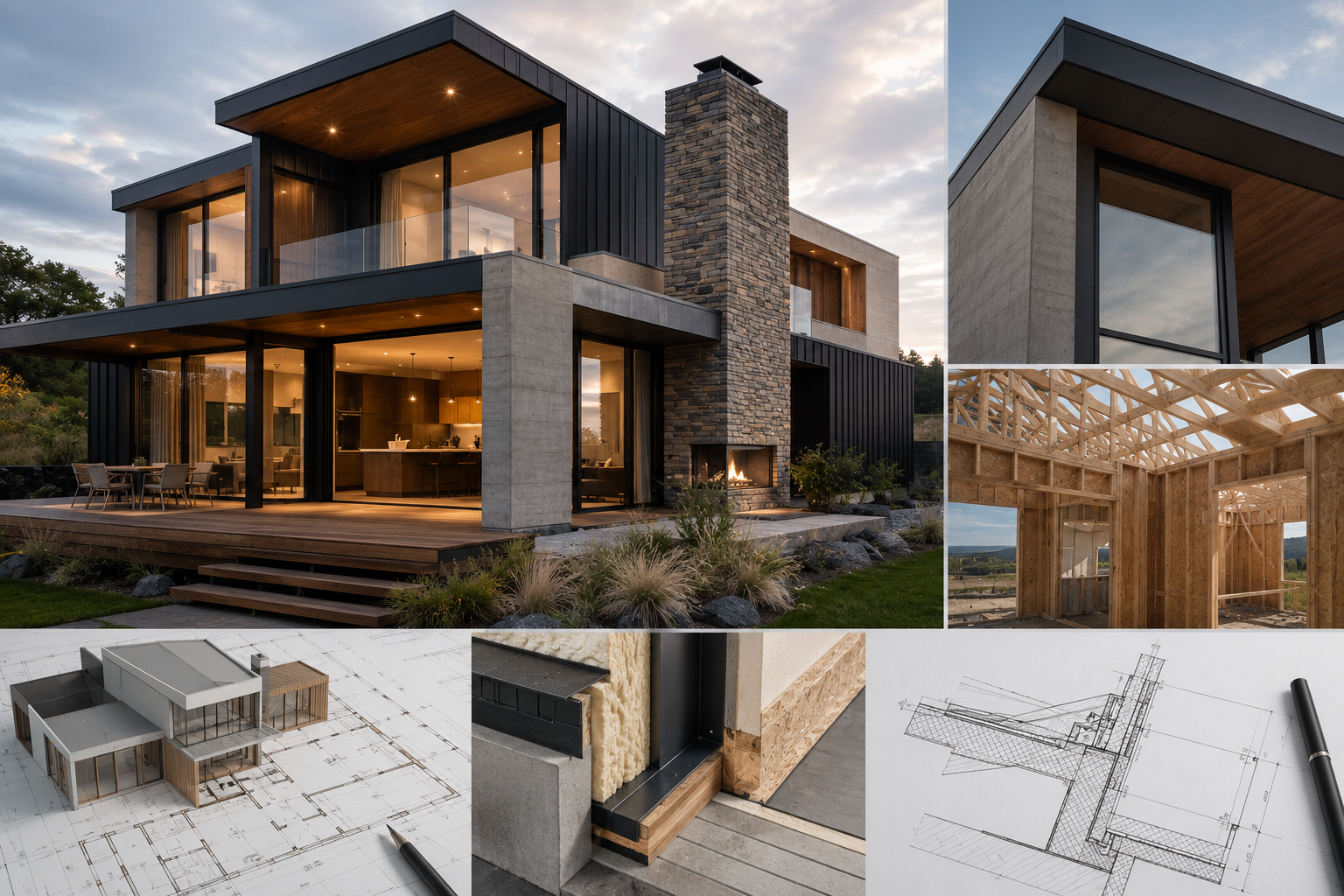
Construction has always been shaped by the weather.
Long before modern machinery and digital design, builders worked around the seasons, watching forecasts, protecting materials from rain and making the most of dry days whenever they arrived. While construction methods have changed enormously over the years, one thing has remained remarkably consistent.
Building outdoors means working in an environment that can never be completely controlled.
For much of New Zealand, that’s simply part of the job. A week of clear skies can suddenly become several days of heavy rain, strong winds or cold temperatures. Projects pause, programmes shift, and carefully planned schedules need to adapt.
No builder expects perfect weather. Experienced teams know how to manage it remarkably well. But as buildings become more sophisticated and construction programmes become tighter, weather is becoming a much bigger consideration than many people realise.
Every day a building remains exposed carries some level of risk
Most people naturally focus on what happens once a home is finished. They notice the cladding, the windows and the completed interior.
Builders often think very differently.
They think about everything that happens before the building is weathertight.
Until the roof is complete, the windows are installed and the exterior envelope is sealed, every day spent exposed to the elements introduces another variable that has to be managed.
Rain can delay framing.
High winds can make lifting large components unsafe.
Persistent moisture can affect site conditions and slow down multiple trades at once.
Even relatively small weather events can create a domino effect that pushes construction programmes back by days or sometimes weeks.
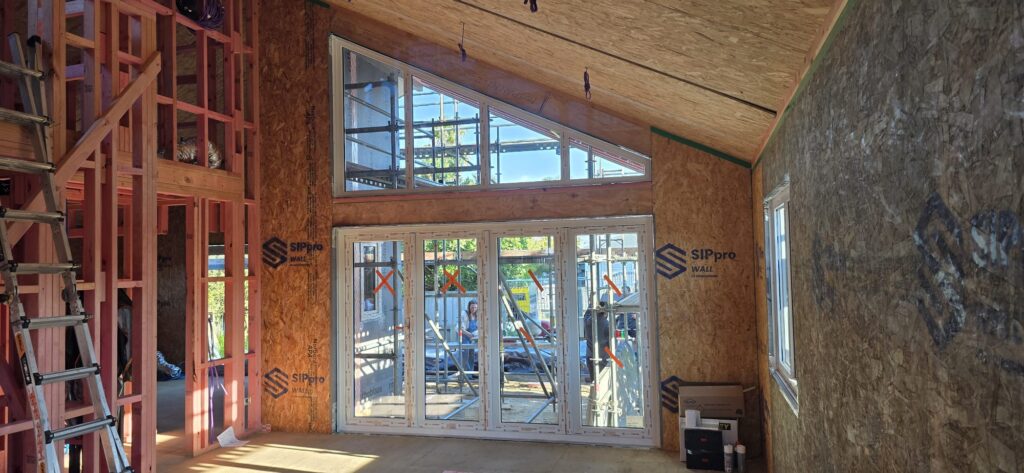
Moisture management starts long before people move in
When people hear the term moisture management, they often think about what happens after a home is occupied.
Ventilation.
Condensation.
Bathrooms.
Kitchens.
But moisture management actually begins much earlier.
Throughout construction, builders work hard to keep materials protected, prevent unnecessary water exposure and ensure assemblies are allowed to dry appropriately before being enclosed.
Modern materials are generally designed to tolerate temporary exposure during construction, but unnecessary wetting can still create additional work, delays and uncertainty.
The sooner a building becomes enclosed, the sooner many of those risks begin reducing.
Construction programmes have become increasingly interconnected
Residential construction today is a carefully coordinated process involving numerous trades working in sequence.
The foundations need to be completed before framing begins.
Framing influences roof installation.
The building needs to become weathertight before many internal trades can progress efficiently.
Electricians, plumbers, insulation installers, plasterers, painters and flooring contractors all depend on earlier stages being completed before they can begin their own work.
When weather delays one stage, the effects often flow through the entire programme.
This isn’t simply about losing a day of work.
It can mean rescheduling subcontractors, adjusting deliveries and coordinating multiple moving parts that were originally planned weeks in advance.
Predictability is becoming increasingly valuable
One of the biggest changes happening across the construction industry is the growing value placed on predictability.
Developers, builders and homeowners all want greater confidence around timelines.
Not because anyone expects construction to be completely free from delays, but because reliable planning helps everyone involved make better decisions.
Reducing unnecessary weather exposure is one way of improving that predictability.
If more of the building can be completed before arriving on site, the period during which weather can influence the project naturally becomes shorter.
This is one of the reasons offsite manufacturing and prefabricated building systems continue attracting attention around the world.
The conversation is often framed around speed, but many people are becoming just as interested in certainty.

Good planning starts well before construction begins
Managing weather isn’t simply about reacting once rain arrives.
Many of the most effective strategies happen months before construction even starts.
Detailed design.
Accurate documentation.
Carefully planned sequencing.
Material coordination.
Delivery scheduling.
The more preparation that occurs before work begins on site, the easier it becomes to respond when conditions inevitably change.
Construction will probably always involve a degree of uncertainty.
Good planning simply reduces how much uncertainty remains.
Different building systems approach the challenge differently
Every construction method has developed ways of managing weather exposure.
Traditional framing often progresses incrementally as the structure takes shape on site.
More integrated systems may move greater portions of that work into controlled manufacturing environments before components arrive for installation.
Neither approach removes the weather from construction entirely.
Foundations still need suitable conditions.
Cranes still depend on safe wind speeds.
Exterior work still relies on appropriate weather windows.
The difference is often how much of the overall construction programme remains exposed before the building reaches a weathertight stage.
The industry is adapting
Construction has never stood still.
As building science evolves and expectations continue increasing, the industry constantly looks for ways to improve quality, efficiency and consistency.
Managing weather exposure is simply another part of that evolution.
Digital planning, improved logistics, better sequencing and greater use of manufactured building components are all helping reduce some of the uncertainty that has traditionally been accepted as part of construction.
Not because weather can be eliminated.
But because reducing unnecessary exposure often benefits everyone involved.
The takeaway
Weather will always be one of the few variables construction can never completely control.
Even with better technology, improved planning and more advanced building systems, there will always be days when rain falls, winds strengthen or temperatures make certain work impractical.
What is changing is how the industry responds.
Rather than simply accepting weather-related disruption as unavoidable, designers, manufacturers and builders are increasingly looking for ways to reduce unnecessary exposure wherever possible. Better planning, improved coordination and more integrated construction methods are all helping projects become more predictable without compromising quality.
Ultimately, successful construction has never been about controlling the weather.
It’s about designing processes that continue delivering good outcomes, whatever the forecast happens to bring.