Practical Ways Builders and Architects Are Adapting in NZ
Skill shortages have become a familiar challenge in New Zealand construction, and they are no longer limited to boom periods. Even through slower market conditions, many builders and architects continue to report difficulty finding experienced people, retaining good staff, and programming work with confidence.
As activity begins to stabilise and gradually lift, workforce pressure is expected to increase again. For many practices and construction firms, the question is no longer if skills will be constrained, but how to work effectively within that reality.
1. Designing and Building with Fewer Unknowns
One of the clearest responses to labour pressure has been a shift toward reducing complexity on site.
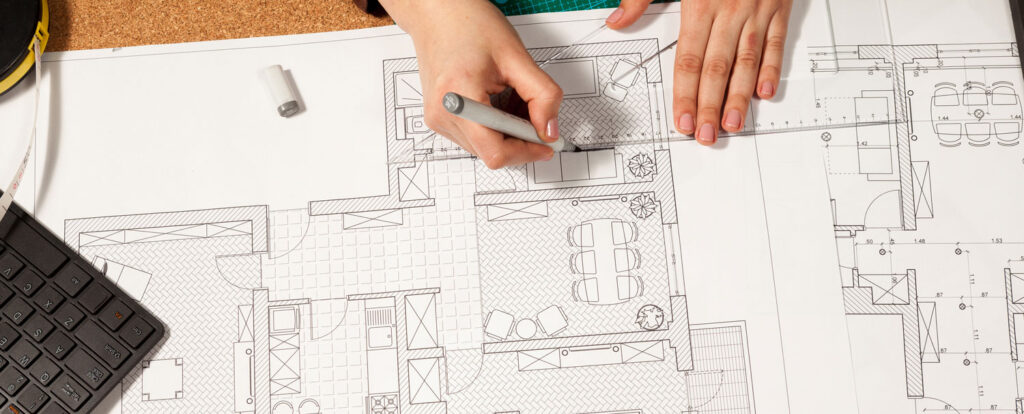
For architects, this means clearer documentation, more resolved detailing earlier in the design process, and fewer late-stage changes that rely on specialist knowledge or rework under pressure.
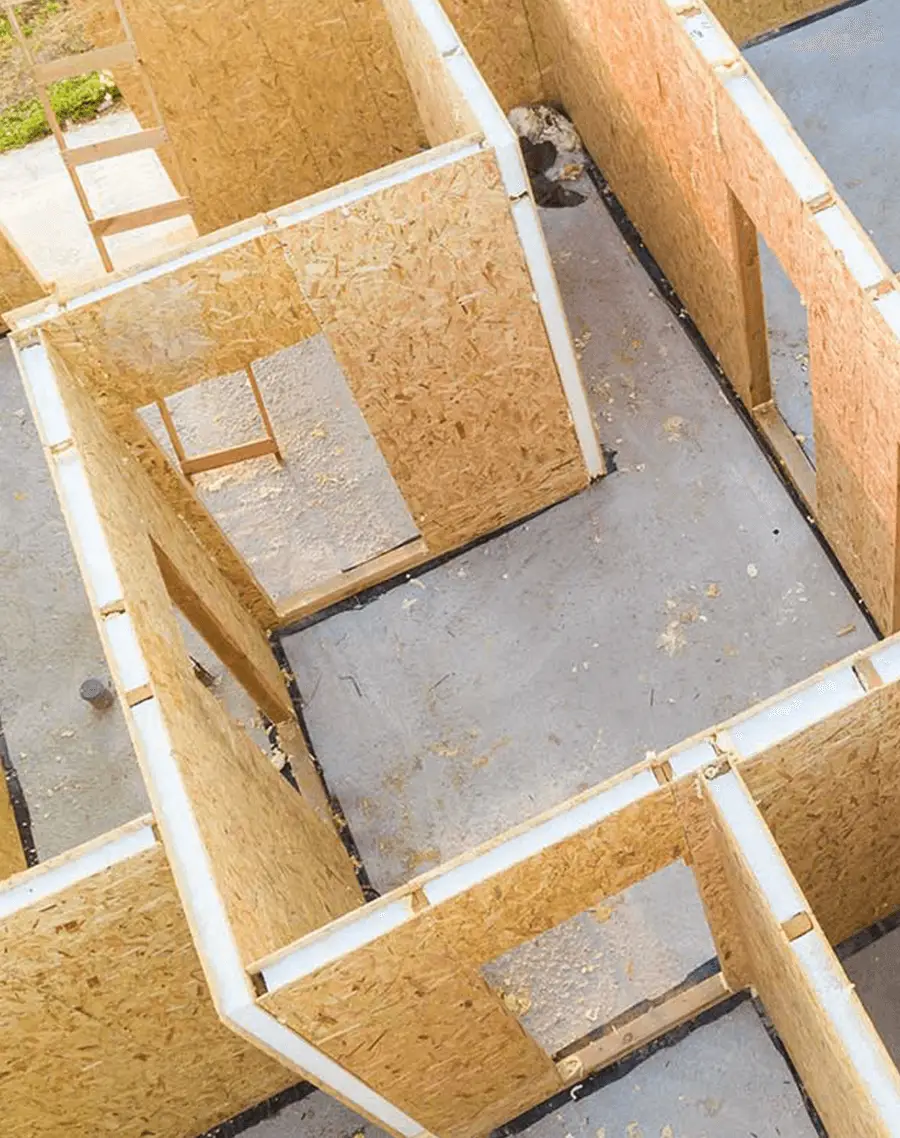
For builders, it means favouring construction systems and methodologies that are repeatable, well understood by crews, and less dependent on a shrinking pool of highly specialised trades.
The less interpretation required on site, the less pressure there is on already stretched teams.
2. Skills Are Changing, Not Just Disappearing
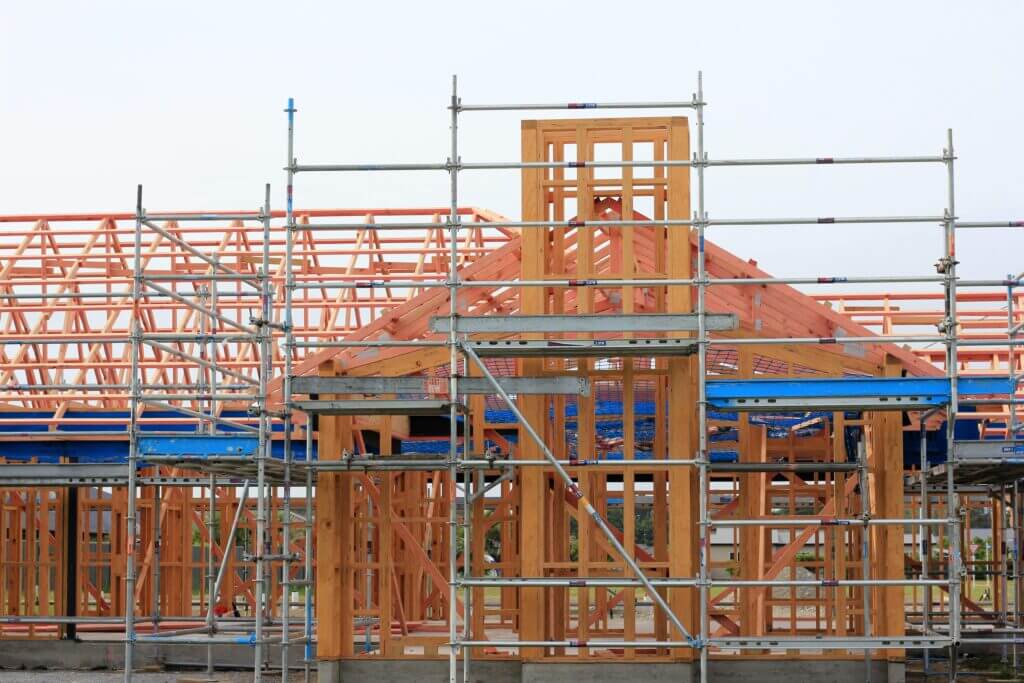
While the industry often talks about a lack of people, there is also a growing gap between traditional skills and the skills required for modern construction.
Today’s projects increasingly demand:
- higher tolerances
- better understanding of building physics
- stronger coordination between design and construction
- familiarity with new materials and systems
This is pushing both architects and builders to think more deliberately about upskilling, not just staffing numbers. Projects that invest time in early alignment between design intent and construction reality tend to place far less strain on site teams.
3. Productivity Matters More Than Headcount
With labour unlikely to suddenly become abundant, productivity has become a key focus.
Builders are placing more value on:
- construction methods that reduce on-site labour hours
- systems that arrive more complete and consistent
- sequencing that allows smaller crews to work efficiently
Architects, in turn, are increasingly considering buildability and construction flow earlier in the design process, rather than treating it as a contractor-only concern.
When design and construction decisions support efficiency, the same workforce can deliver better outcomes with less stress.
4. Retention Starts with Workability
Attracting skilled people is difficult, but retaining them often comes down to how workable projects are.
Jobs with clear documentation, realistic timelines, and fewer on-site firefighting moments are not only more profitable, they are easier on the people delivering them. In a tight labour market, that matters.
Construction businesses that prioritise buildability, coordination, and realistic programming are finding they are better able to keep good staff, even when workloads fluctuate.
Looking Ahead
Workforce pressure is unlikely to disappear from New Zealand construction any time soon. For builders and architects, the most resilient response is not simply chasing more people, but designing and delivering projects that make better use of the people already in the system.
Those who focus on clarity, coordination, and smarter construction approaches are likely to be best placed as the market moves into its next phase.