Over the past few years, New Zealand construction has gone through a major shift.
For a long time, the industry was operating in a high-pressure environment where speed and volume dominated decision-making. Workloads were heavy, labour shortages were intense, and projects were moving as quickly as possible just to keep up with demand.
But the mood across the industry now feels noticeably different.
Margins are tighter.
Clients are more cautious.
Financing is harder.
And both developers and investors are scrutinising risk much more carefully than they were several years ago.
As a result, there is a growing shift away from simply building fast, and toward building with more certainty.
Predictability is becoming more valuable
One of the biggest pressures in traditional residential construction is variability.
Variability in:
- labour availability
- material supply
- weather exposure
- sequencing
- onsite quality
- subcontractor coordination
- programme timing
The more complex a project becomes, the more opportunities there are for delays, inconsistencies and cost movement to enter the build.
That is one reason many developers and investors are starting to show greater interest in systems that reduce uncertainty and improve repeatability.
Repeatability is becoming increasingly attractive
For developers in particular, repeatability matters.
If a system can be:
- repeated consistently
- installed predictably
- detailed clearly
- assembled efficiently
- less exposed to weather delays
…it becomes much easier to forecast timelines, labour requirements and project costs with greater confidence.
This is one of the reasons prefabrication and panelised systems continue gaining attention internationally, not just for speed, but for consistency.
The conversation is gradually shifting from:
“How quickly can we build this?”
Toward:
“How reliably can we deliver the same outcome multiple times?”
Offsite systems reduce some of the pressure points
Traditional onsite construction still relies heavily on multiple trades coordinating sequentially under variable site conditions.
That process can work extremely well, but it also introduces more opportunities for:
- programme disruption
- weather exposure
- inconsistent detailing
- installation variability
- coordination pressure
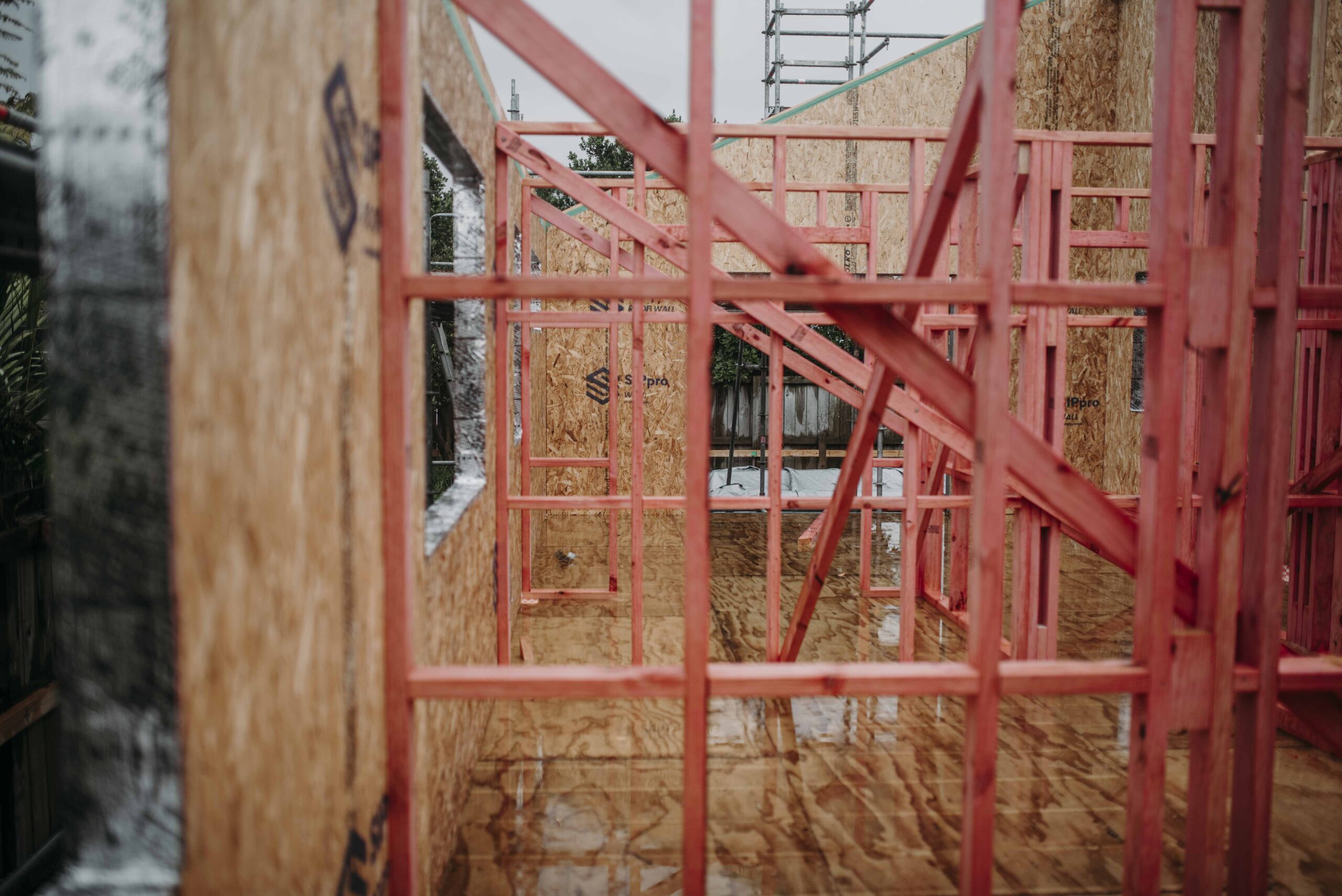
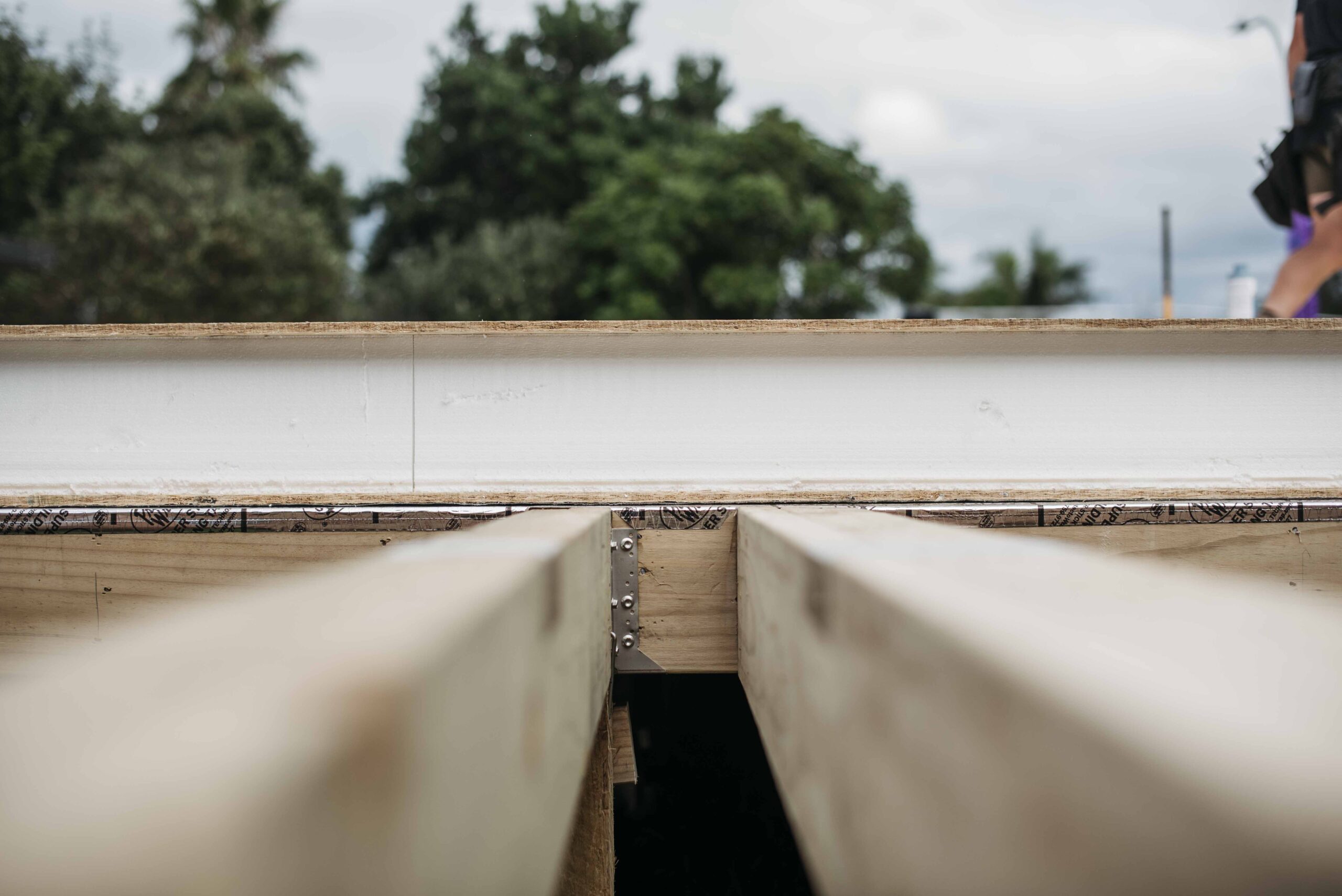
More integrated systems and prefabricated approaches aim to reduce some of those pressure points by moving more of the assembly process into controlled environments before components reach site.
For developers and investors, that consistency is often just as valuable as speed itself.
Performance expectations are also increasing
At the same time, the performance expectations being placed on buildings are continuing to rise.
Projects are now expected to deliver:
- stronger thermal performance
- lower operational energy use
- improved airtightness
- better moisture control
- more consistent comfort
- reduced long-term running costs
Achieving all of this while still managing labour variability, build complexity and programme pressure is becoming increasingly difficult using fragmented onsite processes alone.
That is why the conversation around build systems is becoming broader than simply “prefab versus traditional.”
It is increasingly becoming a discussion around:
- certainty
- repeatability
- buildability
- quality control
- long-term performance
The industry feels different now
There is definitely a noticeable shift happening across the NZ construction sector.
The market feels less focused on aggressive expansion and more focused on efficiency, delivery confidence and reducing risk.
And in that environment, systems that simplify construction, reduce variability and improve predictability are naturally becoming more attractive to both developers and investors.
The takeaway
The future of construction may not necessarily belong to the fastest system.
It will more likely belong to the systems that can repeatedly deliver:
- predictable quality
- predictable timelines
- predictable performance
- predictable costs
Because increasingly, certainty itself is becoming one of the most valuable things the industry can offer.
If you’re planning a project and want to understand what contributes to a truly high-performance homes, our team can help you explore the options and performance considerations available.