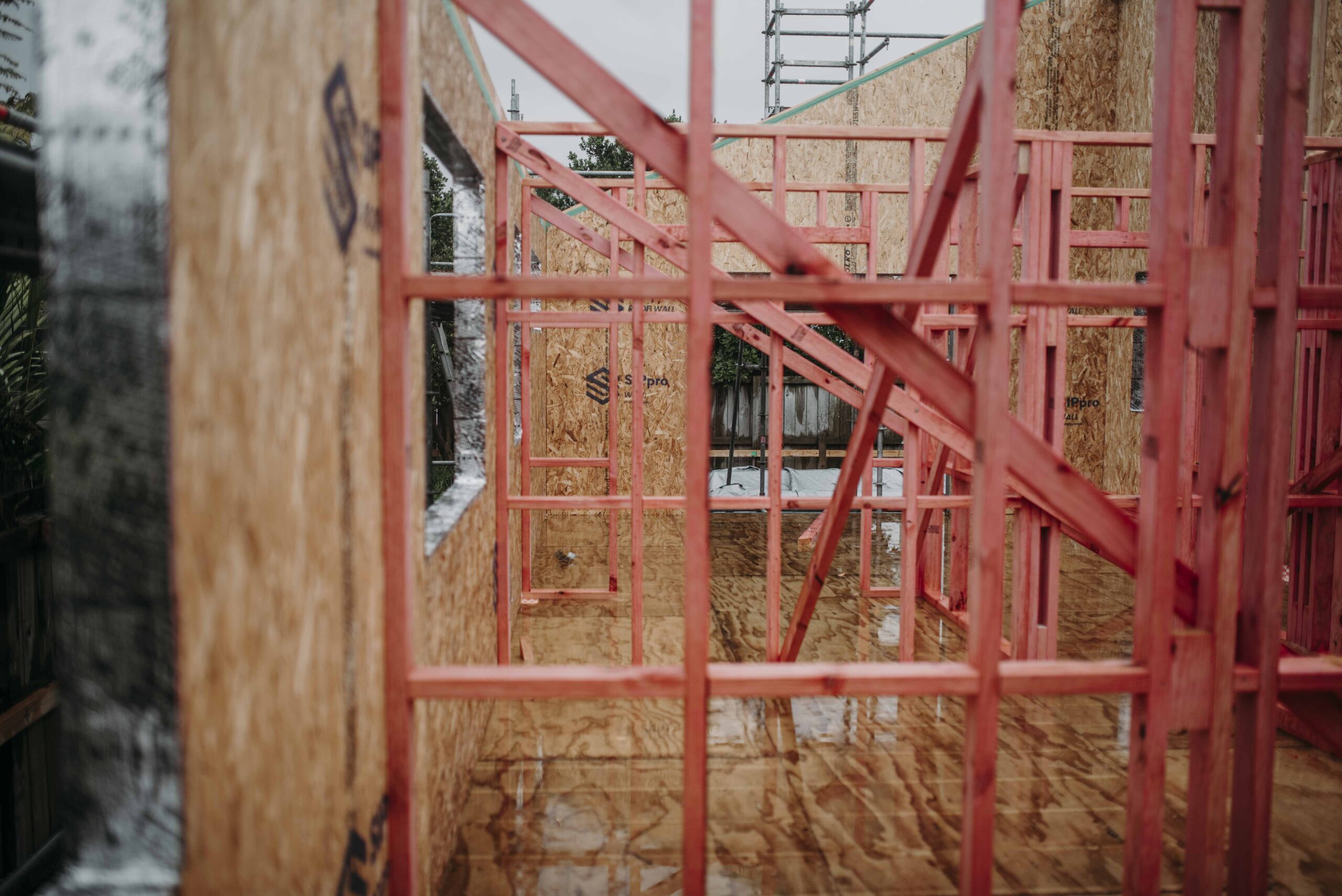
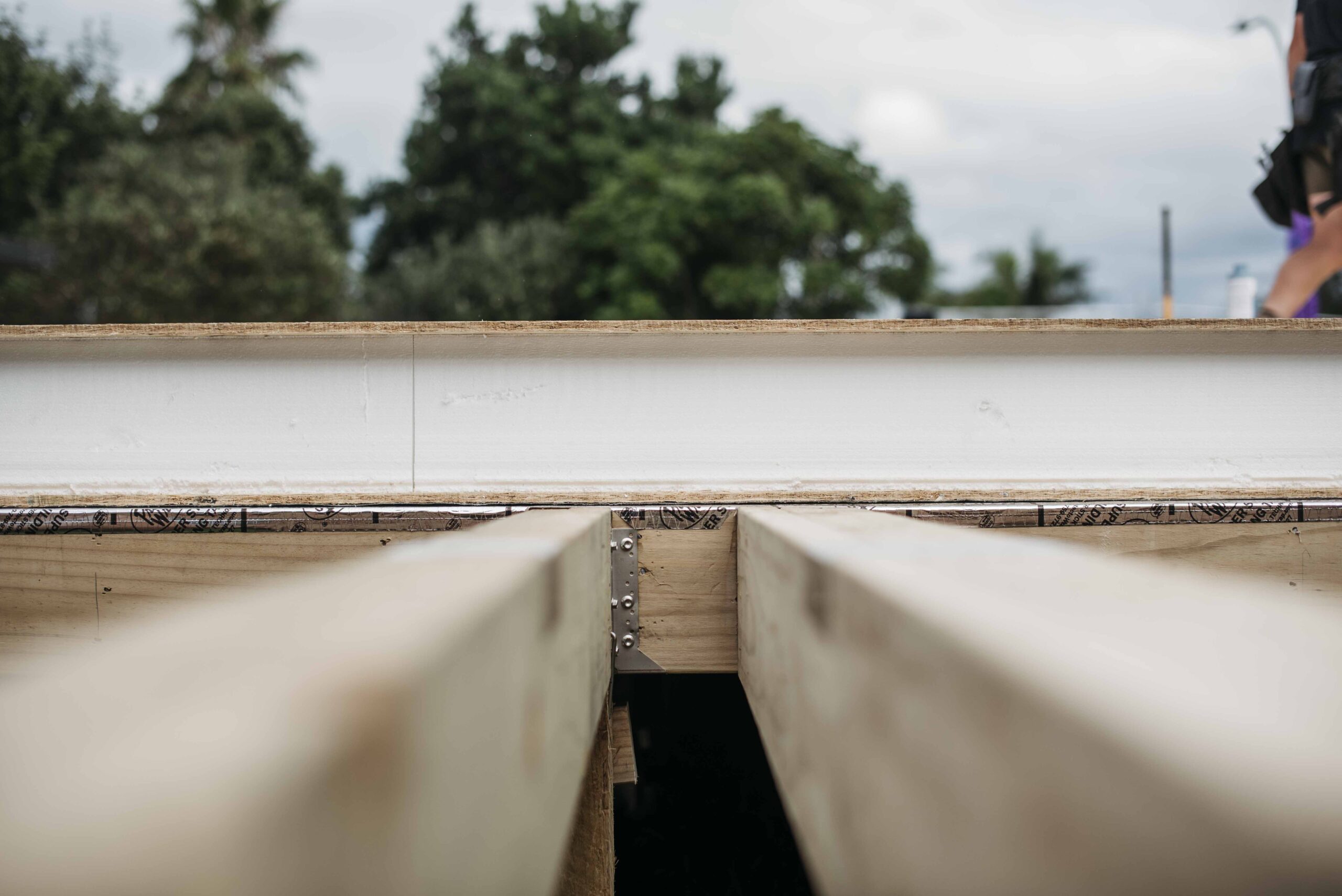
Good design is what people notice first, but detailing is usually what determines whether a building actually performs well over time.
A lot of attention in construction naturally goes toward the big-picture design decisions. The form of the building, the materials, the layout, the visual appeal. That’s the part clients connect with first, and understandably so.
But once a project moves from renders and drawings into actual construction, the conversation changes very quickly.
Because this is the point where a building has to stop looking good conceptually and start working properly in the real world.
That’s where detailing becomes incredibly important.
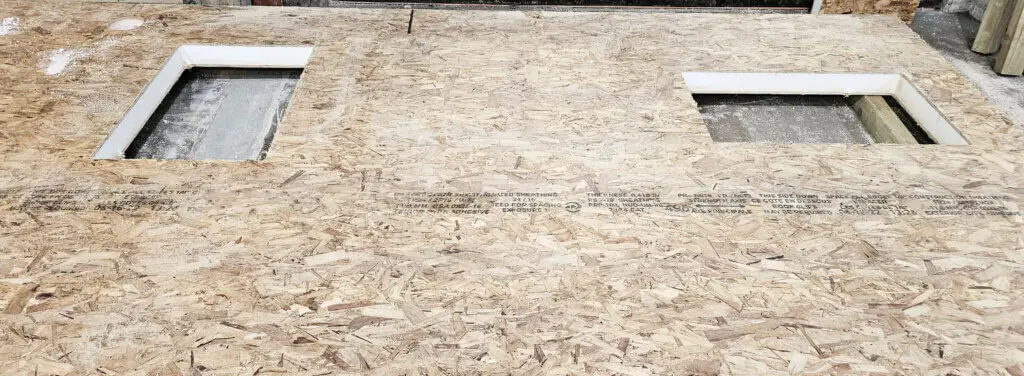
Most problems don’t come from the overall concept
On paper, many projects look fully resolved. The plans look clean, the design intent makes sense, and everyone involved can visualise the final result.
But construction introduces a completely different layer of complexity.
Suddenly the questions become:
- How does this junction physically get built?
- How do these materials actually meet on site?
- What happens when multiple trades all need to work in the same area?
- Is this detail clear enough that five different people will interpret it the same way?
That’s often where projects either tighten up or begin to drift.
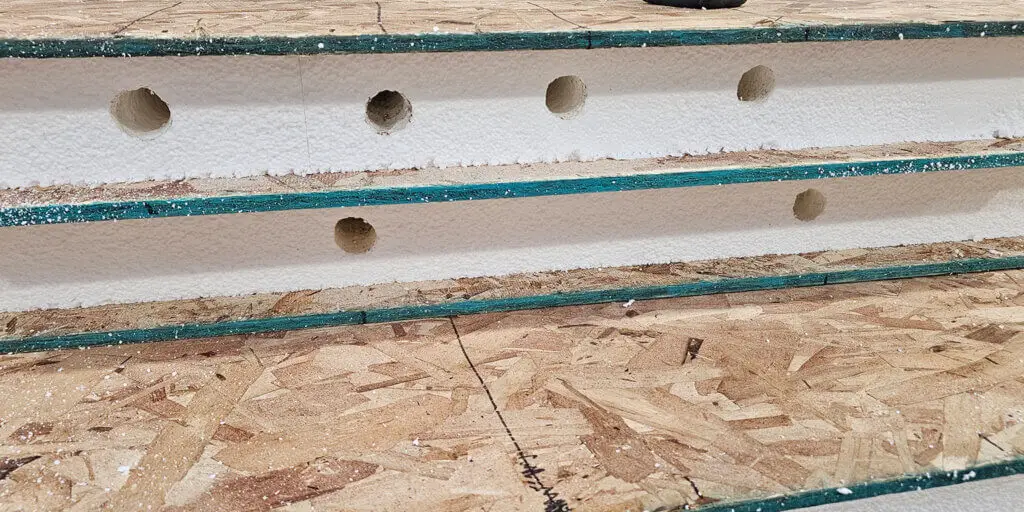
Small details create big consequences
Interestingly, most long-term performance issues don’t usually come from the major design decisions. They come from small, repeated moments throughout the build where details weren’t fully resolved or consistently executed.
Things like:
- window-to-wall junctions
- roof-to-wall interfaces
- deck connections
- service penetrations
- waterproofing transitions
These areas might seem minor individually, but collectively they have a huge influence on how a building performs over time.
When details are vague or left open to interpretation, trades naturally start making assumptions onsite. That variability can lead to air leakage, thermal bridging, water ingress, or simply inconsistent workmanship across different parts of the build.
Modern buildings are far less forgiving
This has become even more important as building performance expectations continue increasing.
Today’s buildings are expected to achieve:
- higher insulation performance
- better airtightness
- improved moisture control
- greater energy efficiency
At the same time, construction programmes are tighter, sequencing is more compressed, and skill levels can vary significantly between teams.
There’s simply less room for ambiguity than there used to be.
A detail that may have been “good enough” twenty years ago can become a weak point very quickly in a modern high-performance building.

Good detailing is often about simplicity
One of the biggest misconceptions is that highly detailed construction documentation needs to become more complicated.
In reality, the best-performing projects are often the ones where the details are actually simpler, clearer, and easier to repeat consistently onsite.
Strong detailing tends to include:
- clear junction resolution
- realistic construction sequencing
- alignment between design intent and buildability
- fewer interpretation gaps for trades
Because even an excellent technical detail can fail if it’s too difficult to execute reliably in real-world conditions.
This is especially important in high-performance construction
With systems like SIP construction, detailing becomes even more critical because the building envelope itself plays such a major role in thermal performance and airtightness.
A small gap, poorly resolved penetration, or inconsistent junction can have a much larger impact than people realise.
That’s why successful high-performance projects usually involve careful thinking around:
- junction simplicity
- repeatability
- moisture management
- airtightness continuity
- practical installation onsite
The goal is not just designing something that works theoretically, but something that can be built consistently and correctly in practice.
The industry is slowly shifting
There’s definitely growing recognition now that detailing is not just a secondary drafting exercise that happens at the end of the design process.
It directly affects:
- performance
- buildability
- construction speed
- durability
- long-term maintenance
And increasingly, the projects that perform best over time are usually the ones where the difficult details were resolved early, clearly, and practically before construction even began.
The takeaway
Good design might set the direction for a project, but detailing is often what determines whether the final building actually delivers on that promise.
The buildings that age well and perform consistently are rarely the ones with the flashiest concepts. More often, they’re the ones where the details were thought through properly from the beginning.