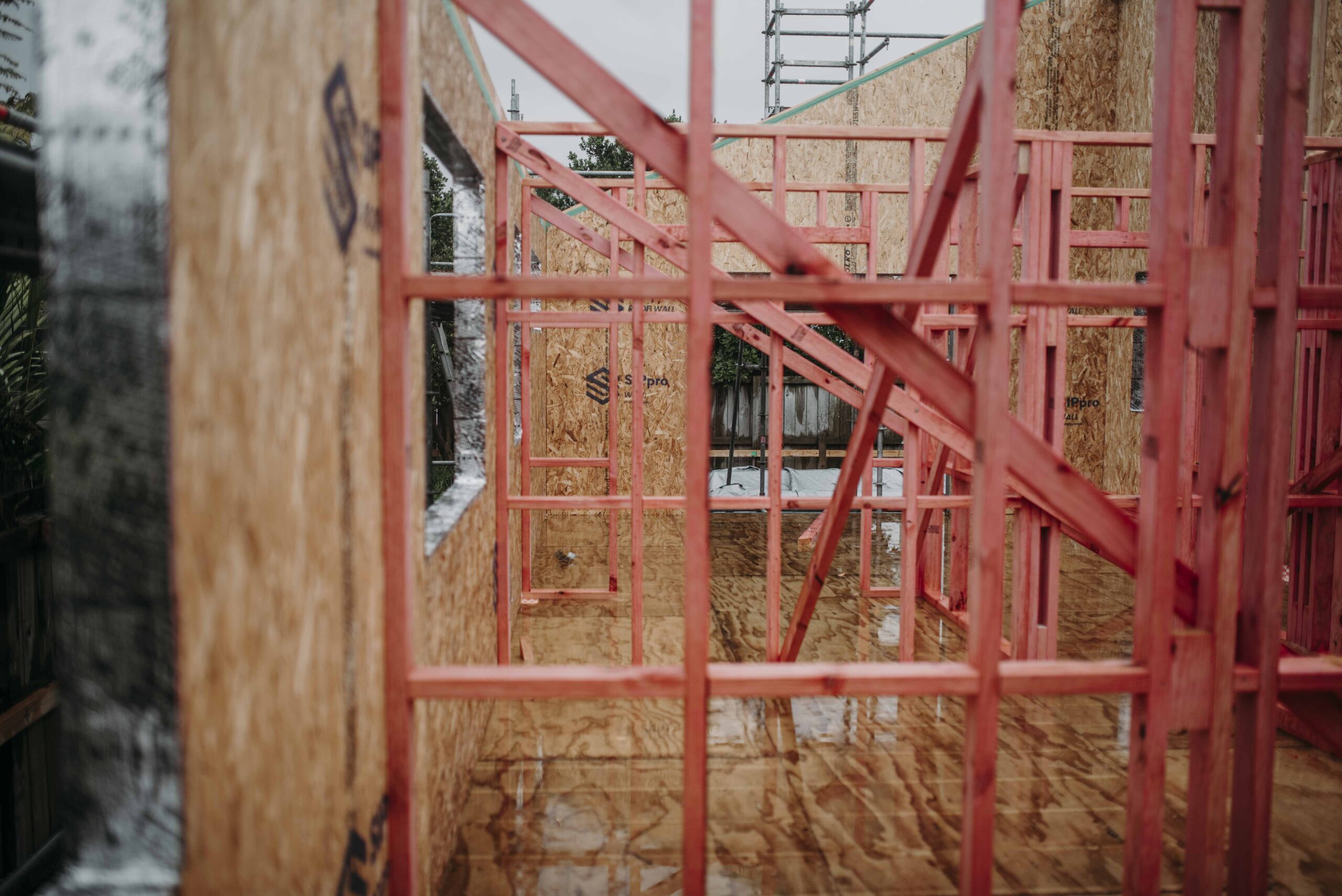
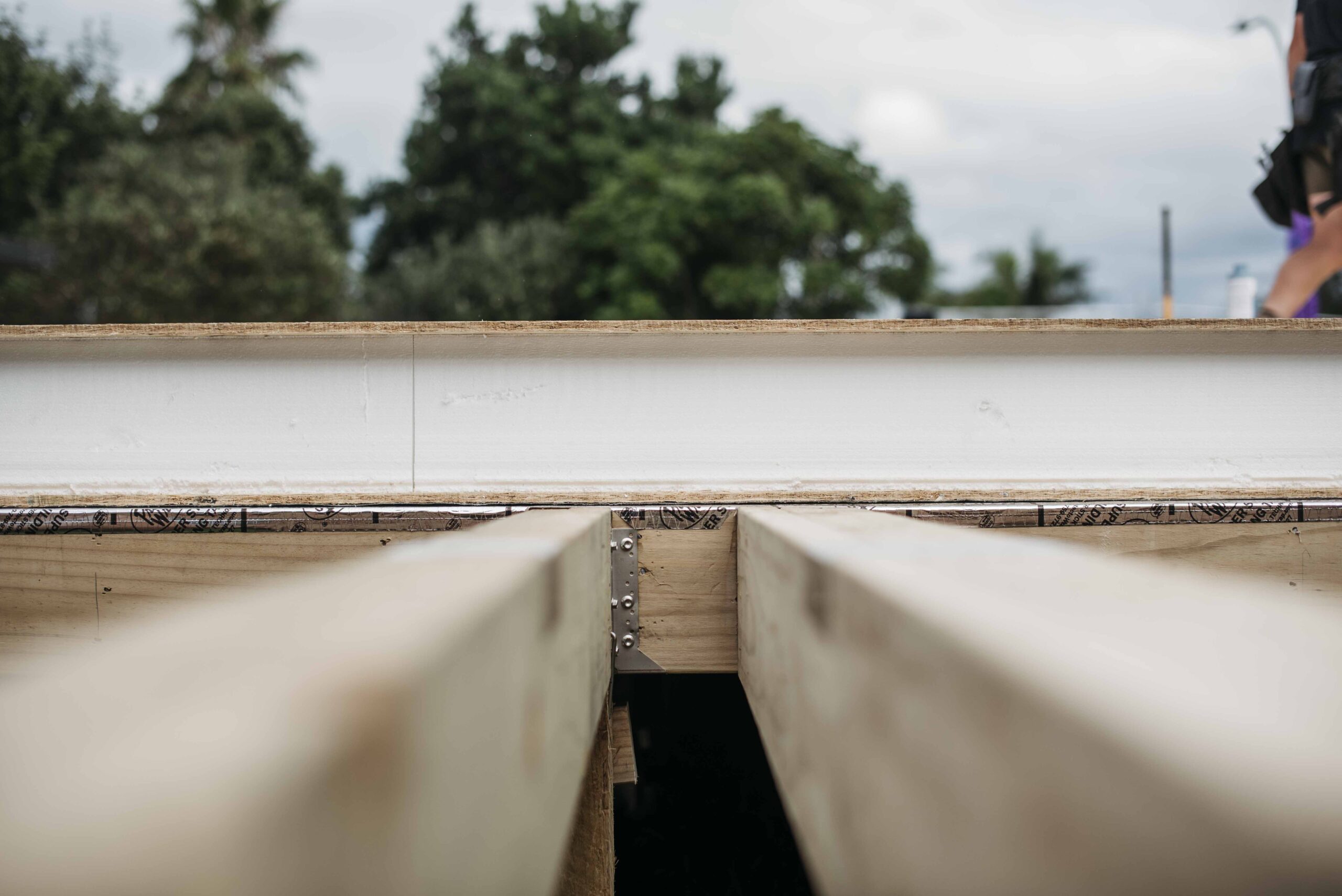
Modern homes have become more complex.
More corners.
More junctions.
More architectural features.
But complexity comes at a cost.
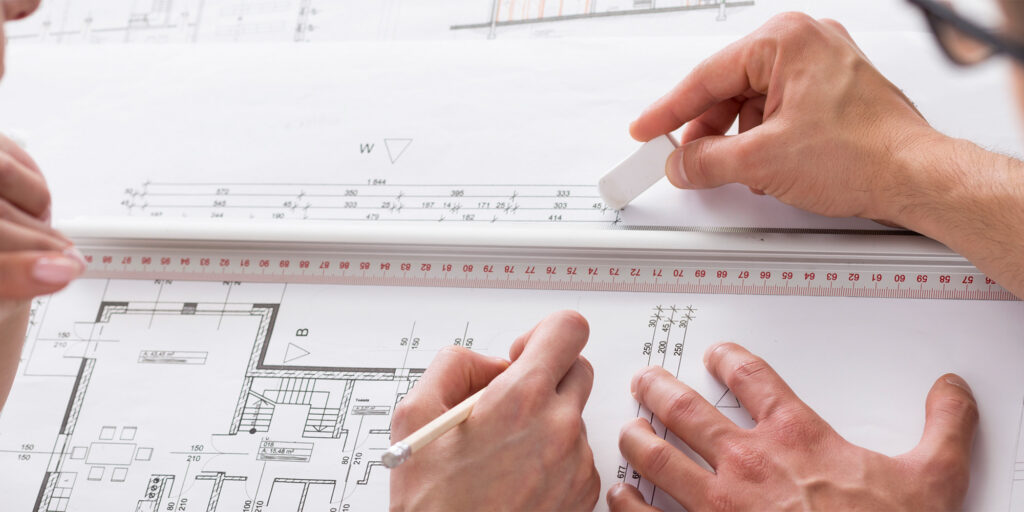
Every junction is a risk point
From a performance perspective, buildings are only as good as their weakest details.
Every change in geometry creates:
- Thermal bridging risk
- Airtightness challenges
- More difficult sequencing onsite
Corners, balconies, roof transitions, bump-outs.
Each one increases the chance of:
- Heat loss
- Air leakage
- Build inconsistencies

The hidden cost of complexity
Complex forms don’t just affect performance.
They also impact:
- Build time
- Labour requirements
- Material waste
- Programme risk
More detail = more time = more variability.
Why simpler forms work better
Simpler buildings:
- Have fewer junctions
- Are easier to wrap with a continuous thermal envelope
- Are easier to make airtight
- Are faster to build
Which leads to:
- More predictable performance
- Lower build cost (in many cases)
- Reduced risk onsite
This is why high-performance homes often look simple.
Not because of design limitations, but because simplicity performs.
This isn’t about “boring design”
Good design doesn’t disappear.
It shifts:
- Proportion instead of complexity
- Materiality instead of shape
- Detailing instead of fragmentation
You can still create strong architectural outcomes. But with fewer performance compromises.
The industry shift
As H1 and energy expectations increase, design decisions are becoming more technical.
Form is no longer just aesthetic. It directly impacts performance.
We’re starting to see:
- More compact building footprints
- Reduced articulation
- Better alignment between design and construction
The takeaway
Every corner you add has a cost. Not just in dollars, but in performance.
Simpler buildings are easier to build well. And buildings that are easier to build well tend to perform better.