Why Structural Insulated Panel Homes Belong at the Centre of New Zealand’s Climate Resilience Response
New Zealand’s weather is changing, and the housing stock needs to change with it. As storms become more intense and damaging, the country needs homes that are not only energy efficient, but also structurally resilient, fast to rebuild, and better able to withstand extreme wind, rain, and flooding. Structural insulated panels, or SIPs, are well suited to that challenge because they combine strength, insulation, and speed of construction in one system.
Severe storms are no longer theoretical
The recent tornado damage in Tauranga is a reminder that severe wind events are no longer theoretical. When homes lose roofs, walls, and weather-tightness in a single event, the cost is not just the repair bill; it is the loss of housing, displacement of families, and the long delay before communities recover. A stronger building system can reduce that damage and help communities rebuild faster after future tornadoes, cyclones, and other severe storms.

A fundamentally different building system
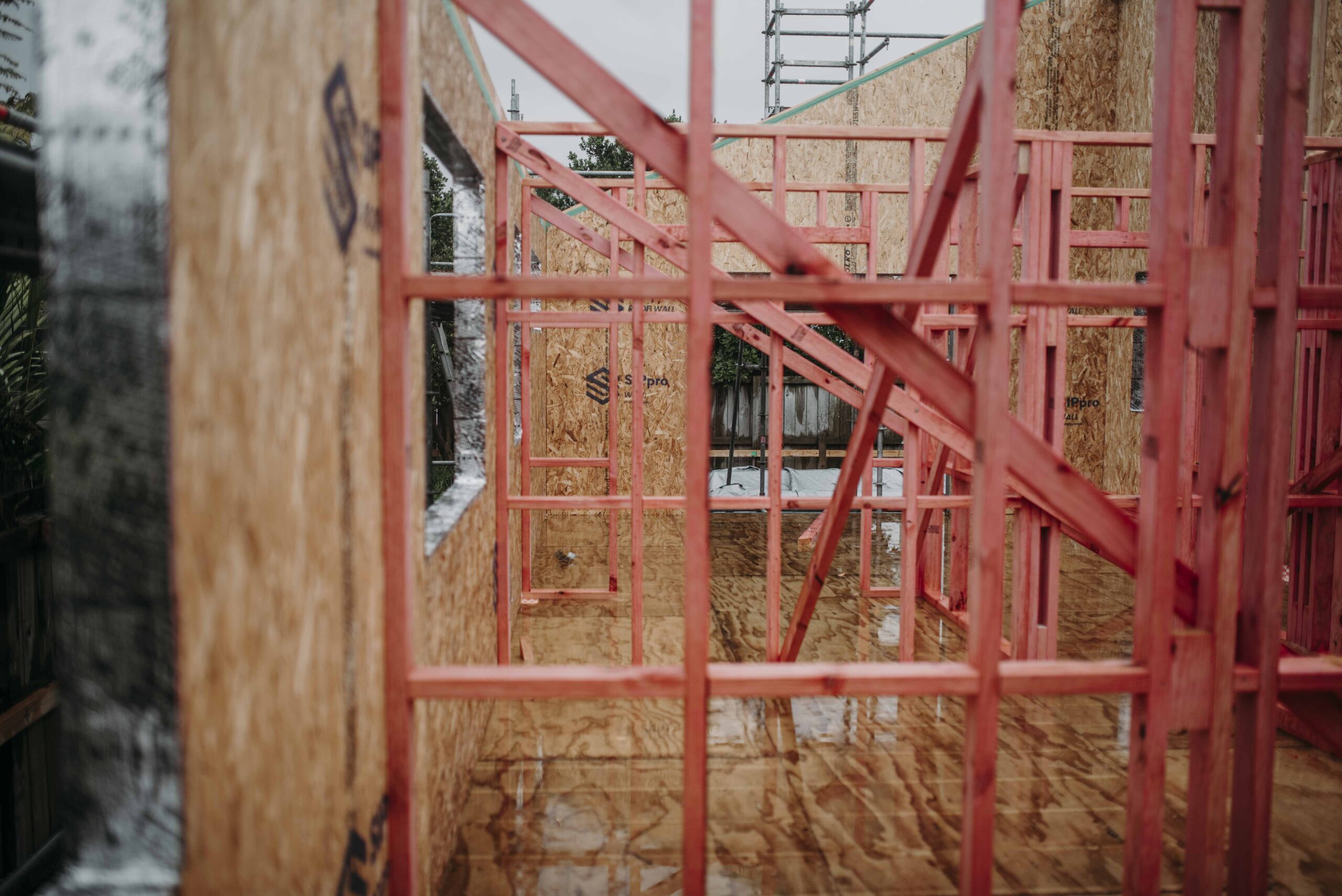
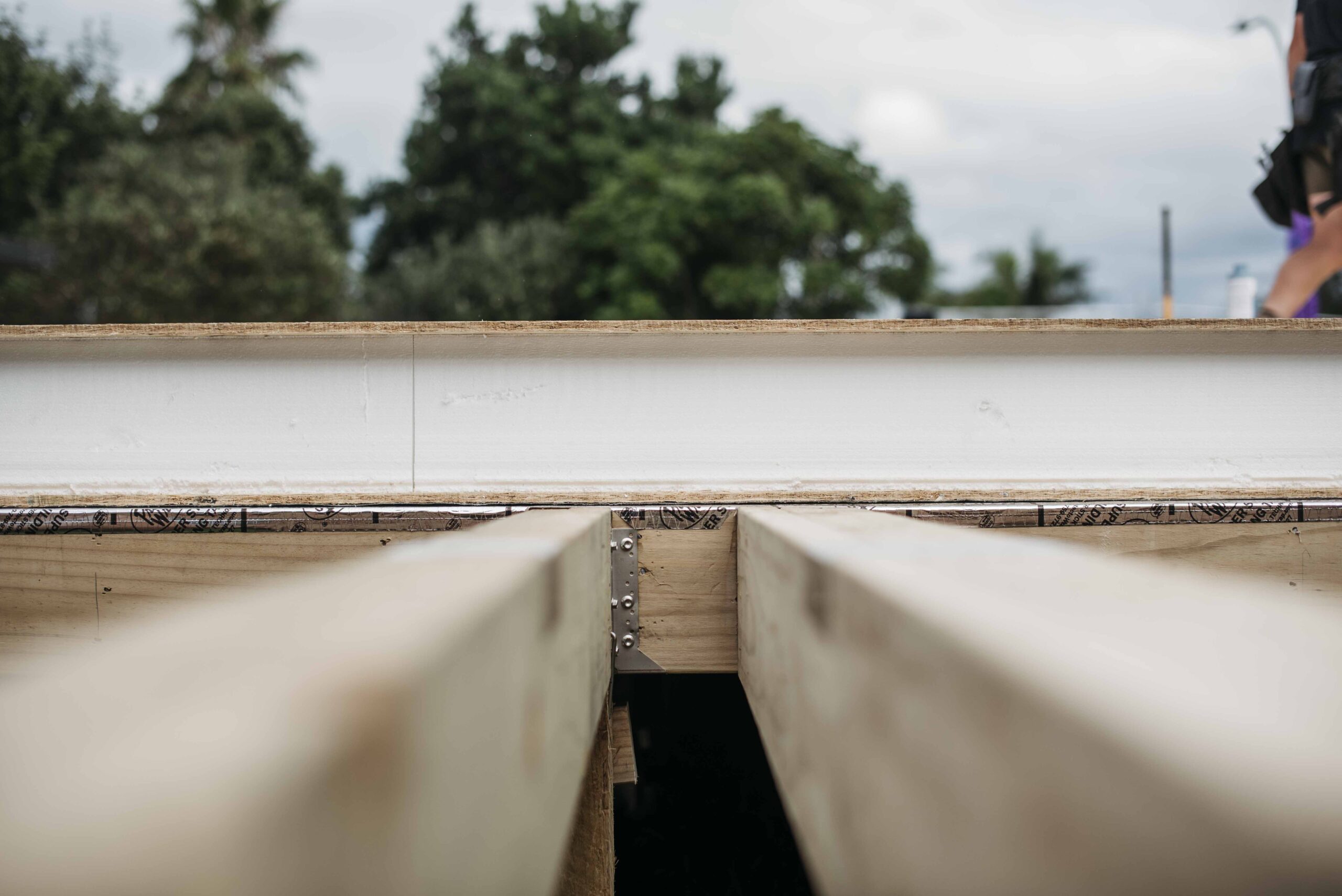
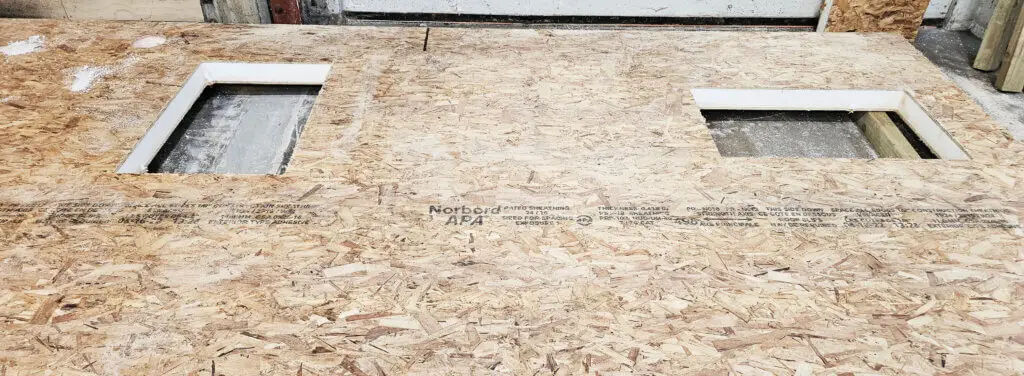
SIPs are fundamentally different from conventional light timber framing. Instead of relying on many individual studs, nogs, and fixings to create a building envelope, SIPs create a prefabricated structural shell with continuous insulation. BRANZ has reported that SIP research in New Zealand has shown suitable performance for Building Code loading requirements, and that aged specimens did not delaminate or fail at the interface between the core and skins under climate testing. That matters because resilience is not just about surviving one storm; it is about retaining performance over decades of exposure.
Strength and performance in high-wind conditions
The strength advantage of SIP construction is especially relevant in high-wind conditions. Because SIP walls and roofs act as large rigid elements, they can provide excellent stiffness and load transfer when properly designed and detailed. Overseas case studies and industry material consistently describe SIP homes as performing well in tornado and hurricane conditions, with the key message being that fewer weak points can mean fewer opportunities for wind to peel apart the structure. For New Zealand, the important point is not hype; it is that the system can be engineered to perform well when wind forces are severe and connections are properly detailed.
Designing for flood resilience
Flooding is the harder problem, SIP homes can be highly flood-resilient when the entire envelope is designed and installed as a sealed system, and they may be easier to dry and recover than many conventional assemblies if water intrusion is limited and the structure is quickly exposed to dry. SIP homes can be part of a better flood strategy when they are designed for the hazard. Good ideas here include lifting floor levels, using flood-resilient lower materials where needed, protecting services above flood level, and designing building forms so water can pass or drain more safely. Homed raised above flood levels on piles allow flood water to pass more easily potentially causing less damage. SIPs can help by providing a strong, prefabricated envelope that gets homes watertight quickly and reduces the time a building is exposed during construction, which is useful in a wet climate.
Rebuilding smarter after disasters
Replacing destroyed homes with SIP-built homes is not just a technical choice; it is a recovery strategy. If a community has to rebuild anyway, it makes sense to replace lost stock with a system that can deliver speed, strength, energy efficiency, and lower whole-of-life emissions. BRANZ notes that SIP research is also tied to simplification of consenting, which could help the sector scale more quickly if the industry, regulators, and manufacturers align around repeatable details and tested systems. That is exactly the sort of practical pathway New Zealand needs.
Combining resilience with affordability and scale
The best ideas are the ones that combine resilience with affordability and scale. SIPs should be paired with hazard-aware design: stronger roof tie-downs, better connection detailing, raised finished floors in flood-prone areas, durable cladding choices, and smarter site planning. Just as important, post-disaster rebuilding should use standardised SIP house types that can be rapidly consented and erected, so families are not left waiting for years after a storm. In a changing climate, resilience should be designed in from the start, not added as an afterthought.