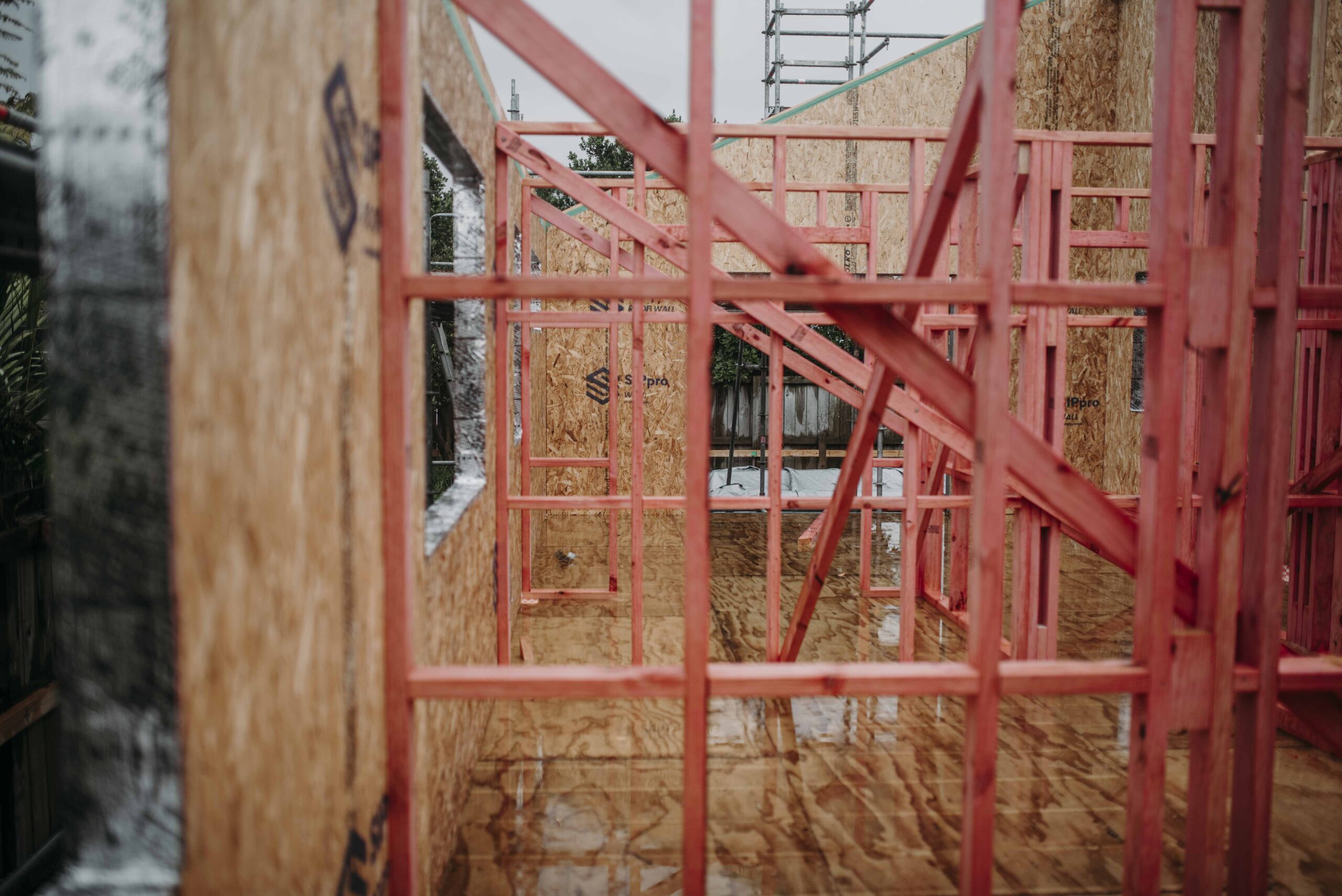
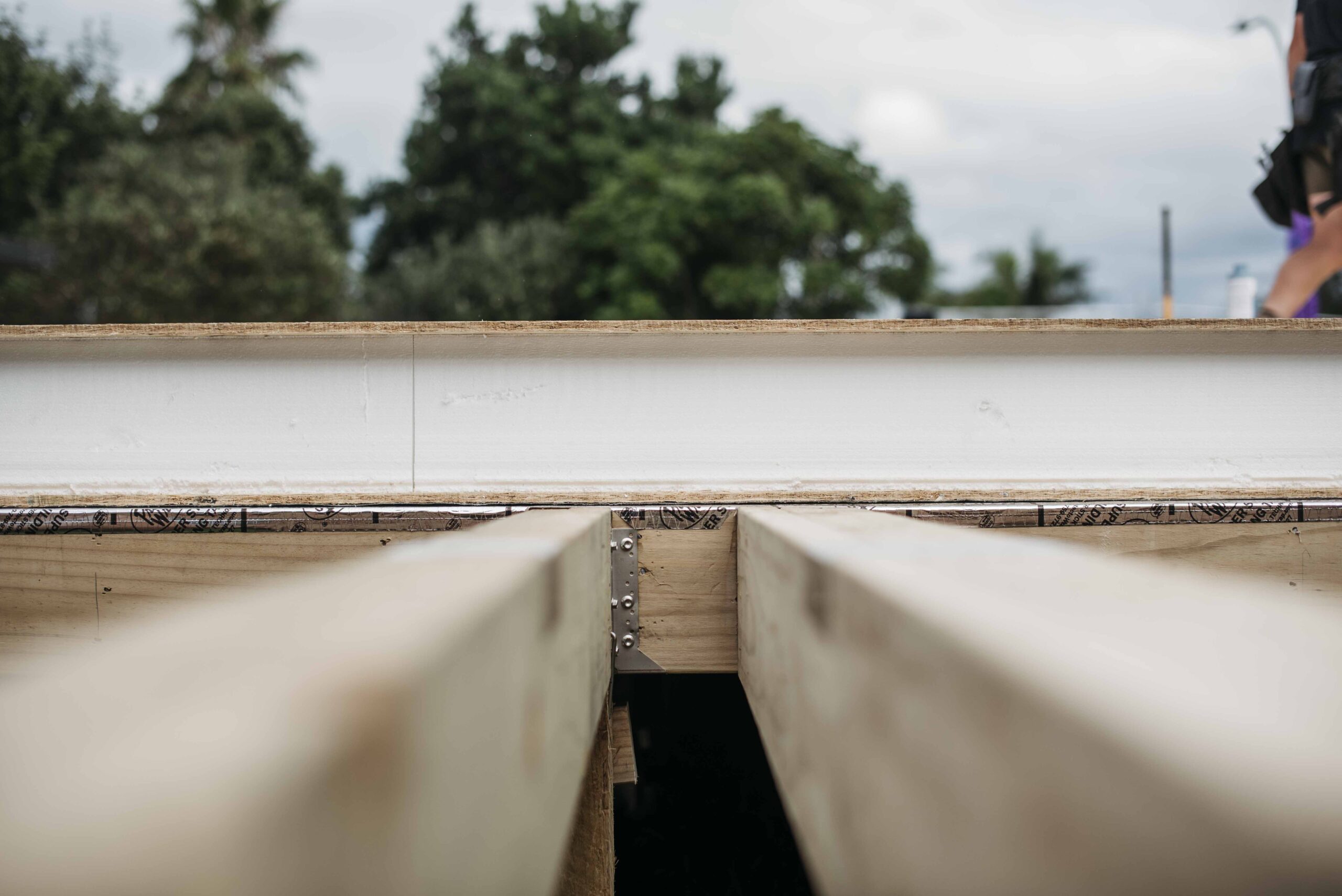
Prefab is no longer a niche. It’s becoming a core part of how the New Zealand construction industry is evolving.
What prefab actually means now
There’s still a common misconception that prefab = modular homes.
In reality, prefab covers a wide spectrum:
- Pre-cut framing
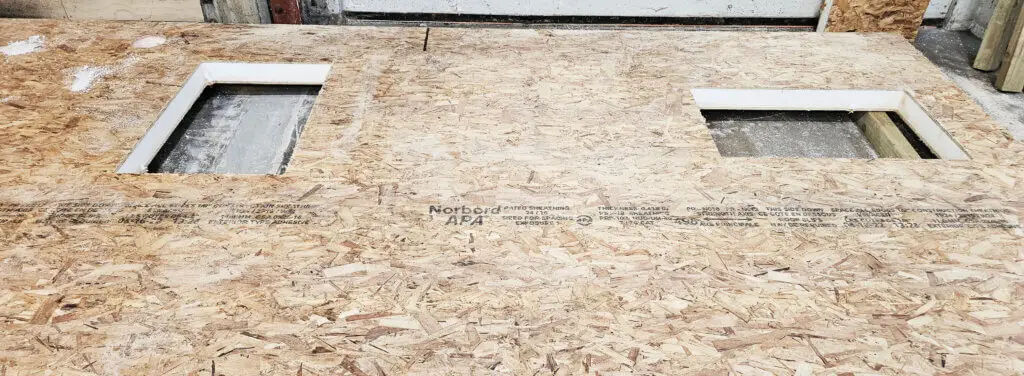
- Panelised wall and roof systems
- Hybrid systems (panel + traditional)
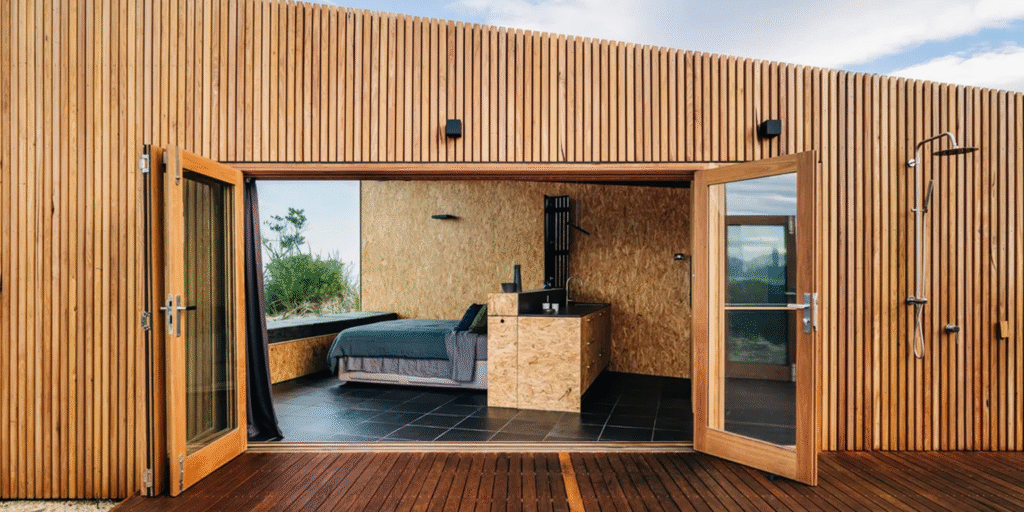
- Fully modular construction
Each sits at a different point between:
onsite labour vs offsite manufacturing
Why the shift is happening
The drivers are clear:
- Labour constraints
Skilled labour shortages are ongoing. Prefab reduces reliance on multiple trades onsite. - Increasing code complexity
H1 changes have made thermal performance more demanding, including:
- Higher insulation requirements
- Better accounting for thermal bridging
- Greater use of modelling methods
Delivering this consistently onsite is challenging.
- Need for better quality control
Traditional construction relies heavily on site execution. Variability is inevitable.
Offsite manufacturing introduces:
- Controlled environments
- Repeatable processes
- Greater precision
Where panelised systems fit
Panelised construction is emerging as a practical middle ground.
It allows:
- Offsite precision (factory-controlled)
- Faster onsite installation
- Flexibility in design and transport
Without the constraints of full modular (transport limits, craning complexity, design restrictions).
The performance advantage
Prefab isn’t just about speed.
It’s also about performance.
Factory-built components can:
- Reduce gaps and inconsistencies
- Improve alignment of insulation layers
- Minimise thermal bridging
- Deliver more consistent airtightness
Which directly supports compliance with H1, and more importantly, real-world performance.
The industry direction
New Zealand is unlikely to move entirely to modular construction.
But the trend is clear:
More of the build will move offsite.
Because it solves multiple problems at once:
- Labour shortages
- Programme delays
- Performance consistency
The takeaway
Prefab isn’t replacing traditional construction.
It’s reshaping it.
The question for architects and builders is no longer whether to use prefab.
It’s how much of the build you’re willing to take offsite to gain better control, speed, and performance.