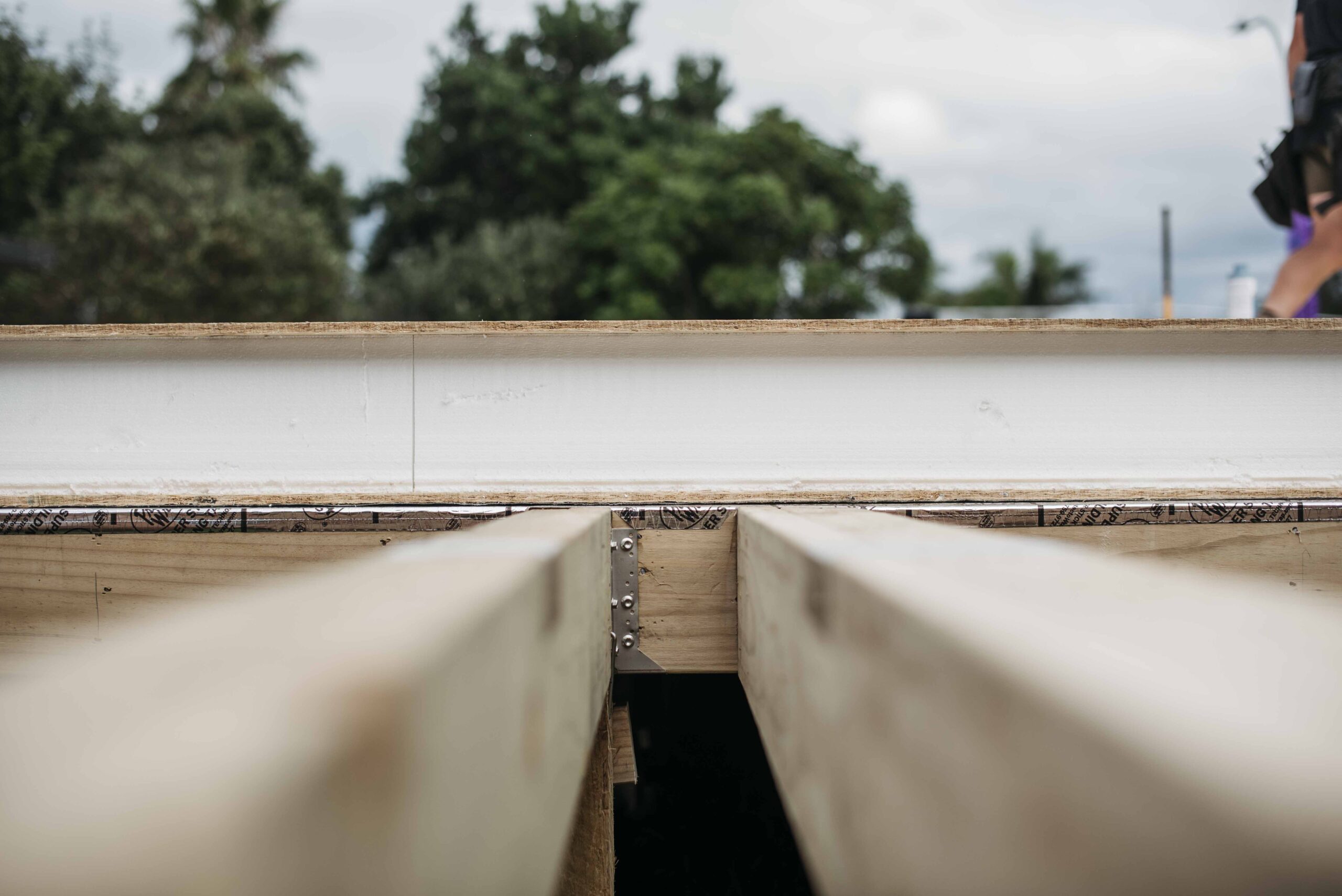
Energy is no longer a background consideration in residential design. It’s becoming a primary driver.
Recent updates to Clause H1 of the NZ Building Code have already pushed insulation levels higher, with the aim of reducing heating demand and improving comfort. These changes were designed to cut heating energy requirements by up to ~40% in new homes.
But here’s the reality on site:
Even with higher insulation requirements, many homes still underperform.
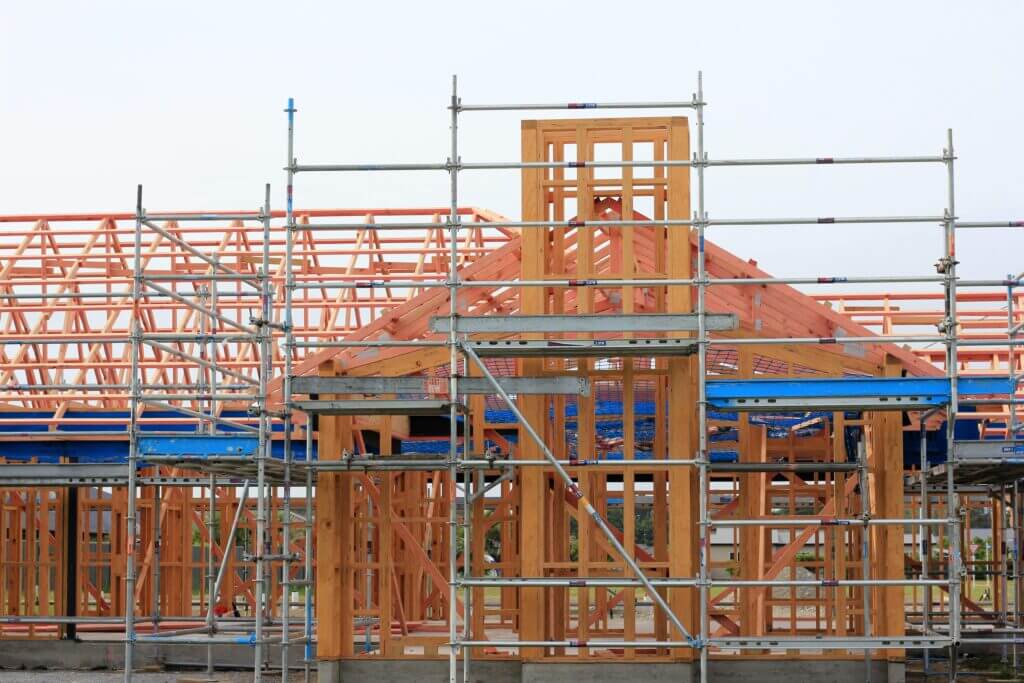
The gap between compliance and performance
H1 sets minimum thermal resistance and energy performance requirements. It also now requires designers to better account for:
- Thermal bridging
- Window performance
- Whole-of-building energy modelling (via calculation/modelling methods)
But compliance doesn’t guarantee outcomes.
A building can meet H1 and still:
- Lose heat through junctions and penetrations
- Experience uneven internal temperatures
- Require continuous heating input to stay comfortable
Why?
Because thermal performance is not just insulation. It’s:
- Airtightness
- Continuity of the thermal envelope
- Detailing at junctions
- Construction quality onsite
MBIE has already acknowledged this shift. There is increasing emphasis on reducing thermal bridging and improving airtightness, not just increasing R-values.
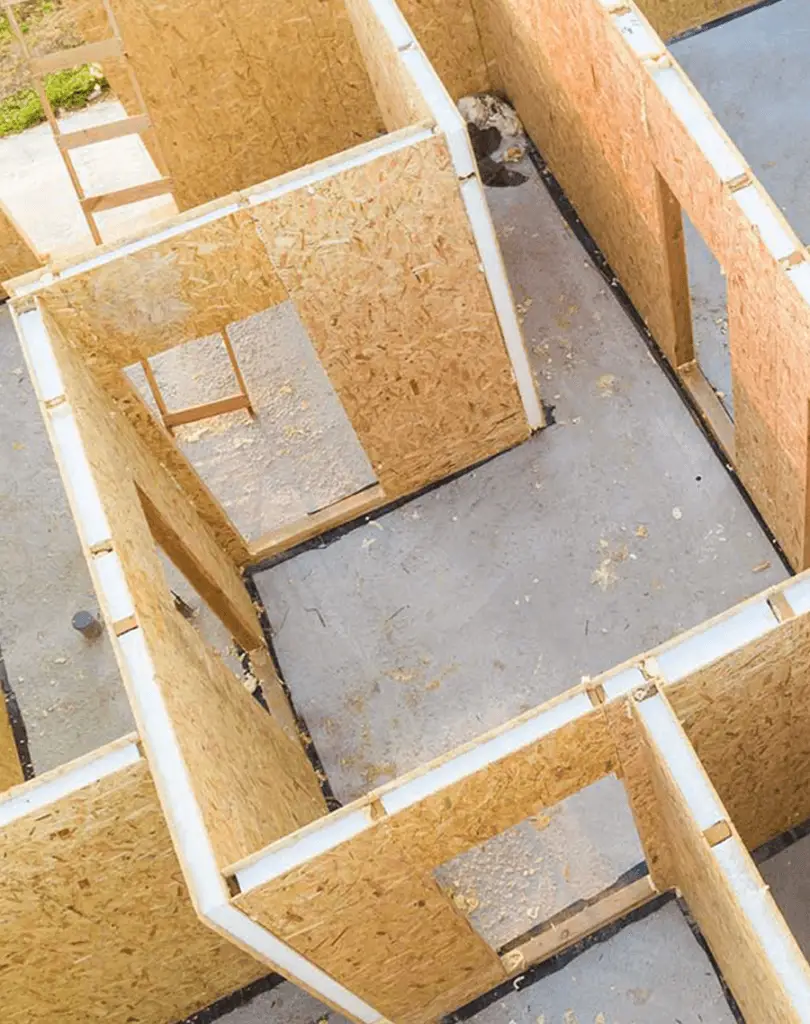
Energy cost is now a design issue
With rising electricity prices, operational costs are becoming more visible to homeowners. That shifts the conversation:
Upfront build cost vs lifetime running cost is no longer theoretical.
For architects and builders, this creates pressure in two directions:
- Deliver compliance
- Deliver performance that clients can actually feel (and afford to run)
What’s changing in good design practice
We’re seeing a shift toward:
- Continuous insulation strategies
- Simplified building forms (fewer junctions = fewer failure points)
- More use of modelling to validate performance
- Greater scrutiny on glazing ratios and orientation
And importantly:
More focus on the building envelope doing the work, not the heating system.
Because if the envelope performs well:
- Heating systems can be smaller
- Energy demand drops significantly
- Comfort becomes more stable and predictable
The takeaway
The industry is moving beyond “meeting H1” toward delivering real-world performance.
The projects that get this right will stand out, not just at handover, but in how they perform years later.